The Perfect Black and White Elephant Embroidery
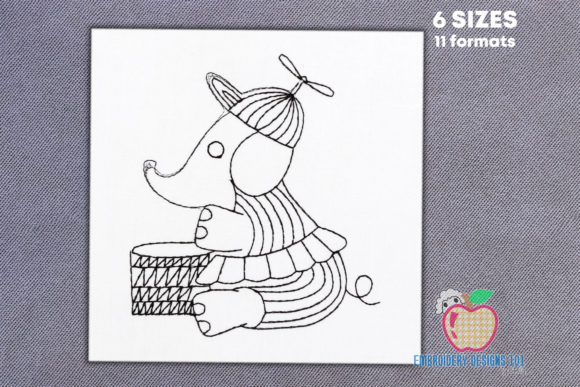
As an embroidery designer preparing for a craft fair, I’m constantly reviewing designs for their real-world selling power. When I look at this Black and White Lineart of Elephant, my first thought is how it bridges several appealing styles. It’s undeniably cute and playful, as the description says, but the clean linework also gives it a modern, minimal edge. This is a fantastic starting point for a handmade product range aimed at craft fair sellers.
A Design That Stands Out on the Booth Table
Imagine your display: tote bags, aprons, tea towels, and pillow covers all competing for customer attention. The Black and White Lineart of Elephant has a secret weapon: simplicity. In a sea of colorful, busy designs, a crisp black and white graphic can create a visual pause that draws people in. It feels clean, contemporary, and slightly premium. On a dark navy tote bag or a crisp white apron, this elephant becomes a bold, graphic statement. On softer fabrics like linen pillow covers or cotton pajamas, it leans into its playful, decorative charm.
Where This Elephant Embroidery Truly Shines
Let’s get practical. Based on the product description, here’s where I believe this machine embroidery design will perform best for a weekend market.
- Tote Bags & Market Bags: As a large focal point on the front or pocket, this design is instantly understandable. The lineart ensures it won’t look overly heavy or stiff on the fabric.
- Pillow Covers & Decor: This is a prime candidate for home decor. The minimalist aesthetic fits modern farmhouse and rustic styles perfectly, making it a versatile small shop product.
- Tea Towels & Kitchen Textiles: Embroidered towels are craft fair staples. The elephant’s playful nature works wonderfully here, especially as an accent near the corner.
- Children’s Items: The description specifically mentions children’s pajamas. This is a smart application. It’s cute without being cartoonish, appealing to parents looking for gentle, quality handmade gifts.
- Embroidered Patches: A Black and White Lineart of Elephant patch could be a huge seller. It’s simple enough to be recognizable at a small size, making it ideal for caps, bags, or as a standalone product.
Production Notes for the Busy Maker
Turning a digital embroidery file into a sellable, batch-produced craft fair product requires forethought. Here’s my evaluation of the practical points.
This design appears to be pure linework, which is generally excellent for production. Stitch density should be manageable, leading to faster machine run times and less thread consumption. However, always test on scrap fabric first. Check for any tiny, closed loops or intricate details that might cause thread breaks or require excessive stabilizer.
For fabric texture, this design will excel on smooth cottons and linens. On textured towels or thick fabrics, you must use the correct stabilizer to prevent the clean lines from looking distorted. The black and white contrast is a massive advantage for thread colors; it will pop on both light and dark backgrounds, but I’d still advise comparing fabric colors with a real mockup.
Critical Considerations Before Hooping Your First Product
- Hoop Size: The design likely works at multiple scales. Test it as a small accent (like on a pouch) and as a large focal point (like on a pillow). Ensure the lines retain their clarity and don’t become too sparse or too dense when resized.
- Photography for Etsy & Mockups: This design will photograph beautifully for your Etsy listings and printable mockups. The high contrast makes it stand out even in simple product photos, which is crucial for online sales.
- Batch Production & Consistency: Because it’s straightforward and likely not overly complex, this elephant design is highly repeatable. You can confidently run a batch of twenty tote bags without worrying about significant variation, which is the goal for a craft fair product.
- Commercial Licensing: The description notes it’s a machine embroidery design. Before selling finished products, you must confirm the commercial embroidery license terms for the file. This is a non-negotiable step for any digital seller or boutique maker.
Turning a File into a Craft Fair Winner
The real magic happens when you consider the entire customer journey from your booth display to their home. A Black and White Lineart of Elephant on a well-made product enhances perceived value. It looks intentional and designed, not just randomly placed, which speaks to handmade quality.
For booth display strength, create a small collection. Show the same elephant on a tote, a tea towel, and a child’s cap. This demonstrates versatility and helps customers imagine it in their own lives. It builds brand consistency for your shop instantly.
Engagement is key. This design is easy to understand at a glance—it’s an elephant, it’s friendly, it’s graphic. That quick recognition allows you to start a conversation. You can talk about its applications, the fabrics you’ve chosen, or why you love the Wild Animals category. That personal touch is what sells at fairs.
Finally, my strongest advice as a professional: create at least one real, physical mockup. Hoop it on the actual fabric you plan to use, whether it’s a canvas tote or a flannel pajama set. See how it feels in your hands. Assess the thread coverage. Notice how the light hits the stitches. This hands-on review will tell you more than any screen preview ever could and ensure your embroidered patch, apron embroidery, or tea towel embroidery is not just a file, but a beautiful, sellable product ready for market day.