A Color Palette Appliqué for Crafting Kids' Projects
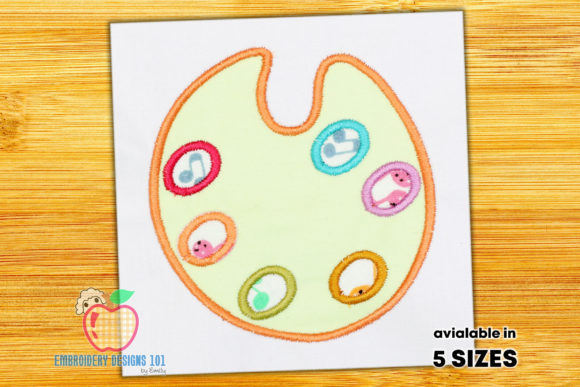
As a designer who evaluates embroidery files for real-world use, my first question about a new design is always: will it stitch well and will it sell? When I look at the Artist Color Palette Appliqué for Kids, the immediate impression is one of cheerful, creative energy. The theme is universally understood—an artist's palette—and it carries a playful, imaginative mood that feels perfect for projects aimed at children or the creatively inclined. It’s not overly detailed, which is a good sign; the layout suggests clean shapes that should translate well into satin stitch and fill stitch areas without becoming a dense, problematic embroidery project.
Where This Design Finds Its Perfect Home
I envision this appliqué design shining on a specific range of products. Picture a custom tote bag for a young art student, a bright sweatshirt for a crafty kid, or a personalized baby blanket for a nursery with a creative theme. It has that giftable, boutique-ready feel. For Etsy sellers or small shop product lines, this design could easily become a staple for holiday embroidery gifts like teacher presents or birthday surprises. It’s also a strong candidate for a sturdy embroidered patch, which could be applied to a backpack or jacket. The ‘Games’ category hint makes sense—it’s about play and creativity.
In a real-life scenario, I’m thinking of preparing a set of custom apparel items for a local art camp. This palette design on a simple cotton t-shirt or a canvas apron would be instantly recognizable and appreciated. The visual personality is friendly and approachable, which boosts customer trust in a handmade product. It doesn’t try to be too sophisticated; it knows its audience and that’s a strength.
Practical Performance on Fabric and Hoop
How will this machine embroidery design perform when the needle hits the fabric? The product description encourages stitching on “any fabric,” but from experience, I approach that with a designer’s caution. For designs like this, stabilizer choice is key, especially on stretchy fabric like t-shirts or on textured fabrics like some sweatshirt materials. The shape, with its likely curved palette edge and separate color dots, needs good registration.
I would strongly advise testing the embroidery file on scrap fabric first, particularly if you plan to use it on a challenging base like a dark fabric or a curved surface like caps. Check the thread color contrast. Those palette color dots need to pop against the background fabric. A quick test in both light and dark fabric backgrounds will tell you if you need to adjust your thread choices or perhaps add an extra backing layer.
Areas of concern would typically be the small details—the tiny dabs of ‘paint’ on the palette. They must be clear and not lost in the stitch. Since specific hoop size isn’t provided here, it’s crucial to check that before starting. A design with this layout likely needs a medium hoop to accommodate the entire shape comfortably without forcing it into a too-small space, which can distort details and increase stitch density problems.
When to Use This Design With Extra Care
This Artist Color Palette Appliqué for Kids is wonderfully versatile, but a realistic review means noting where it requires a thoughtful approach. On products that need frequent washing, like kids’ clothing or kitchen towels, ensure your stitch quality is high and you’re using robust threads to maintain integrity. For baby embroidery on delicate garments, consider a lighter-weight stabilizer to keep the fabric soft.
If you’re creating commercial embroidery items for sale, such as a line of pillow covers or tea towels, the design’s clarity directly affects product value and professionalism. A blurry or puckered stitch on a dense area would undermine that handmade presentation. Also, for digital product sellers offering this as part of a design assets bundle, a clean stitch-out in your printable mockup is essential for buyer engagement. It shows you’ve vetted the file.
Designer Notes for a Successful Project
Before committing this design to a client’s order or your shop inventory, here’s my practical checklist. First, test the design on scrap fabric first. This is non-negotiable. Inspect the small details and the overall coverage. Run a black and white mockup of the design to assess its form without color distracting you—does the silhouette hold up?
Second, review the intended fabric. A smooth cotton for a tote bag is forgiving; a fuzzy fleece for a blanket is trickier. Match your stabilizer to that texture. Third, and critically, confirm licensing before selling finished items or digital products. The product description doesn’t specify terms, so you must verify if this embroidery file is cleared for personal and commercial projects. This protects your craft business.
Finally, think about the finish. This design, with its cheerful theme, enhances brand consistency if you’re a maker focused on artistic, educational, or children’s products. It tells a story. When stitched cleanly on a high-quality apron or a well-made sweatshirt, it feels like a thoughtful, personalized gift, which increases its perceived worth.
The Final Stitch: A Design With Creative Potential
In my evaluation, the Artist Color Palette Appliqué for Kids is a solid, theme-driven design with clear application in niches that celebrate creativity and childhood. Its value isn’t in hyper-complex detail but in its recognizable, joyful subject matter that stitches up into a clean, appealing graphic. For apparel decorators, creative entrepreneurs, and hobbyists, it offers a straightforward path to a finished product that resonates with a specific audience.
The key to success with it lies in the maker’s hands: proper testing, mindful fabric selection, and attention to licensing. When those boxes are checked, this design becomes a reliable asset for craft fair products, boutique branding, or a simple homemade gift. It’s a design that, executed well, doesn’t just look nice—it communicates a love for art and play, which is exactly what your embroidery project should do.