A Designer's Review of the Bull Terrier Sitting Alone Embroidery
As someone who designs and stitches personalized gifts day in and day out, I always test a new embroidery file thoroughly before it goes into my shop’s rotation. Today, I’m taking a close look at Bull Terrier Sitting Alone, a machine embroidery design destined for pet-loving customers. My job is to see if it holds up not just as a digital file, but as a heartfelt, physical product that a customer will cherish.
First Impressions: Charm and Emotional Appeal
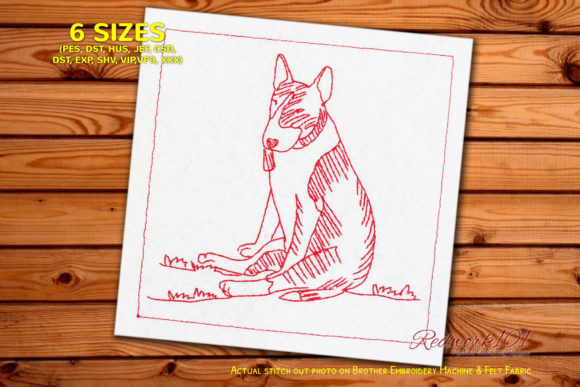
The moment I saw this design, its charm was undeniable. It has a wonderfully handmade and playful feel, yet carries a classic elegance. The bull terrier's characteristic stance is captured with a sweet simplicity that I believe creates an immediate emotional connection. For a pet parent, this isn’t just a dog; it’s a representation of their own beloved companion. The detail level appears balanced—not overly complex, which is excellent for clear stitching on a variety of fabrics, but with enough character to feel specific and intentional. This emotional appeal is the cornerstone of a successful personalized gift.
The Versatility for a Gift-Based Business
My primary concern is always: where can this design live? Bull Terrier Sitting Alone opens up a delightful range of applications for crafters and small business owners. Its sweet and classic mood makes it a strong candidate for baby embroidery on blankets or nursery items, especially for families whose pet is a part of the baby’s world. For wedding gifts, imagine this stitched onto a custom apron or pillow cover for a couple who owns a bull terrier—it becomes a unique keepsake. As a family keepsake, it’s perfect for personalized towels or a decorative pillow.
For those selling at craft fairs or on Etsy, this design translates beautifully into quick-to-produce, high-value items. Think embroidered tote bags, kitchen towels, or simple pillow covers. The design’s inherent warmth boosts giftability and perceived value. In product photography, a finished item featuring this bull terrier will tell a story, fostering customer trust and buyer engagement by showing you understand the sentimental value behind a custom embroidery.
Key Product Applications for This Design
- Baby blankets and nursery decor for pet-loving families.
- Wedding gifts like custom apron or keepsake pillow covers.
- Personalized kitchen towels and dining rugs.
- Tote bags and apparel for everyday use.
- Pillow covers for home decor.
- Craft fair staples and popular Etsy listings.
- Custom order previews for personalized pet parent gifts.
Practical Considerations for Perfect Stitching
While the design is charming, its successful application depends on careful execution. Here’s where my practical testing notes come in. First, always test on scrap fabric identical to your final product. Check thread color contrast carefully; this design will need bold, clear colors on light fabrics and possibly brighter threads on darker backgrounds. I recommend comparing light and dark fabric mockups, even digitally, before stitching.
The description mentions a box stitch. This suggests good stitch density, but you must review stitch density yourself in your embroidery software to ensure it’s suitable for your chosen fabric. For textured fabrics like thick towels or stretchy baby clothes, using a proper stabilizer is non-negotiable. On curved surfaces like totes, hooping technique is paramount.
Where Extra Care is Needed
- Small lettering or delicate details: If the design includes any text, test it at your intended size.
- Textured or thick fabrics: Towels and blankets require robust stabilizer choices.
- Stretch fabrics: Baby clothes need careful hooping and stabilizer to prevent distortion.
- Dark fabrics: Thread color choice becomes critical for visibility.
- Items for frequent washing: Ensure thread and stabilization methods are durable.
After stitching, always check small details closely. A loose stitch or missed detail can undermine the handmade quality you’re selling.
Final Notes for Commercial Use
For fellow Etsy sellers, small shop owners, and anyone creating finished products for sale, one step cannot be skipped: confirm commercial licensing before selling. The product description doesn’t specify license terms, so you must verify that your use of this digital embroidery file for commercial embroidery is permitted. This protects your business and respects the designer’s work.
Also, confirm hoop size requirements. Knowing the minimum and maximum sizing will help you plan your products efficiently, whether you’re stitching a small motif on a baby bib or a larger centerpiece on a blanket.
In conclusion, from my designer’s perspective, Bull Terrier Sitting Alone is a strong contender for any gift-based embroidery business. Its emotional core, versatile application, and classic aesthetic can create products that feel both personal and professional. By pairing its inherent charm with meticulous practical testing, you can offer a personalized gift that truly resonates, turning a simple machine embroidery design into a cherished handmade product.