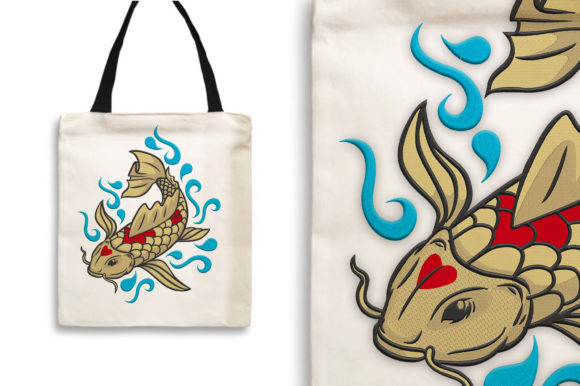
A Review of the Cute Japanese Koi Fish Embroidery Design
As a professional embroidery designer preparing for a weekend craft fair, my first task is to evaluate every design in my collection. I need to know which designs will translate into products that not only look beautiful but will actually sell from my booth table. Today, I’m reviewing the Cute Japanese Koi Fish machine embroidery design. This superb Japanese koi fish machine embroidery design promises to add a beautiful luck symbol to any creative project, and it comes with multiple embroidery file formats. My job is to imagine it stitched onto real products and judge its potential.
First Impression: Elegant, Symbolic, and Handmade-Friendly
The first thing that strikes me about the Cute Japanese Koi Fish is its inherent elegance. The title suggests "cute," but the description emphasizes a "beautiful luck symbol." This duality is powerful. For a craft fair, it leans more towards a decorative and premium feel rather than purely cute or funny. The koi fish is a recognized symbol of perseverance, luck, and good fortune, which adds immediate value and a story a customer can connect with. Visually, I expect a design that is neither too rustic nor overly modern, but something with a soft, artistic quality that feels handmade and special.
Where the Koi Fish Design Will Stand Out on Product
Craft fair tables are a visual competition. You need designs that catch the eye from a few feet away. I picture my display filled with embroidered tote bags, aprons, tea towels, patches, caps, and small pouches. Here’s where I believe the Cute Japanese Koi Fish will perform best.
Tote Bags and Market Bags as Focal Points
This design has the potential to be a wonderful focal point on a tote bag. Its symbolic nature makes it more than just decoration; it gives the bag a meaning a customer might buy into. On a solid-colored canvas bag, a well-executed koi fish embroidery immediately elevates the product from generic to gift-worthy. It suggests a thoughtful, handmade quality.
Aprons and Kitchen Towels for a Touch of Luck
For aprons and tea towels, the Cute Japanese Koi Fish works perfectly as a charming accent. Placed on a pocket or corner of a linen tea towel, it transforms a simple kitchen item into a special, almost ritualistic object. The luck symbolism resonates well in a home setting. On an apron, it becomes a unique feature that makes the product stand out from mass-produced options.
Pillow Covers and Fabric Pouches for Decorative Appeal
For home decor items like pillow covers or small fabric pouches, this design offers a decorative, serene aesthetic. It’s not festive or loud, making it suitable for everyday, elegant interiors. A single koi on a pillow cover can look minimalist and intentional, increasing the perceived value of the handmade product.
Embroidered Patches and Caps: Consider Scale Carefully
This is a crucial practical note. For patches and caps, the scale of the design matters immensely. The description doesn’t specify a default hoop size. If the Cute Japanese Koi Fish design has very fine details or dense stitch areas, shrinking it for a cap or a small patch might cause it to lose clarity. Tiny details can blur, and thick fabric like cap material can distort the image. This design would likely need to be tested at a smaller size to ensure it remains recognizable and crisp.
Practical Production and Selling Points
Turning a digital embroidery file into a profitable craft fair product involves several practical hurdles. Let’s walk through them for this koi fish.
Understanding at a Glance and Photographing Well
A koi fish is universally recognizable, which is a huge advantage. Customers at a busy fair will understand the design instantly. This speeds up decision-making. For online listings on Etsy or other shops, a symbolic design like this photographs beautifully. It provides a clear, interesting subject against a fabric background, making for strong product photos that communicate handmade quality.
Batch Production and Repeatability
For batch-producing multiple tote bags or tea towels, the design’s complexity will determine efficiency. If the stitch count is high or it uses many thread colors, production time per item increases. However, the luck symbolism makes it a versatile design that could sell consistently, justifying batch work. It’s not a seasonal design; it’s a year-round symbol, which is great for a small shop product.
Critical Designer Notes Before You Stitch
- Always test on scrap fabric first. This is non-negotiable. See how the design behaves on the actual materials you’ll use: linen for towels, canvas for bags, twill for caps.
- Check thread contrast. The beauty of a koi fish often relies on color contrast. Test on both light and dark fabrics to ensure the design pops.
- Review stitch density and use the right stabilizer. Dense stitch areas can cause puckering on lightweight fabrics like tea towels. A good stabilizer is key for a clean finish.
- Confirm the hoop size required. The description mentions multiple file formats, but not the native hoop size. You must know this to plan your product dimensions.
- Create at least one real, physical mockup. A real sample tells you more than a digital preview ever will. It shows how the design feels in person, which is exactly what your craft fair customers will judge.
- Compare fabric colors. A koi fish might look best on navy, cream, or soft grey fabrics. Experiment to find the most appealing combinations.
- Confirm commercial licensing. Before selling any finished product, ensure your purchase of this digital embroidery file includes a license for commercial use. Never assume.
How This Design Affects Your Booth and Your Brand
Finally, from a seller’s perspective, the Cute Japanese Koi Fish contributes to your overall booth strength. A product with a clear story (luck, perseverance) fosters buyer engagement. Customers might ask about the symbol, giving you a chance to connect. It enhances your brand’s consistency if you offer other elegant, symbolic designs. In terms of product value, a well-embroidered koi fish on a premium material can justify a higher price point than a simple geometric pattern, directly impacting your profitability.
In summary, this Cute Japanese Koi Fish machine embroidery design holds significant promise for craft fair and handmade market products. Its elegant symbolism, recognizability, and versatility across items like tote bags, aprons, and home decor make it a strong contender. The practical production steps—testing scale, managing stitch density, choosing fabrics—are essential to unlock its full potential. With careful preparation and a beautiful physical mockup on your display table, this design can become a lucky charm not just for your customers, but for your small business sales as well.