Electric Train Embroidery: A Designer's Review for Boutique Apparel
As an embroidery designer planning a new collection, I’m constantly evaluating digital files for their real-world application on garments. When I came across the Electric Train embroidery design on Creative Fabrica, it immediately stood out as a candidate for a cohesive, thematic line. This review is my practical assessment of this transportation-themed redwork design, thinking through its potential on sweatshirts, hoodies, and other boutique apparel.
First Impression: Visual Mood and Decorative Strength
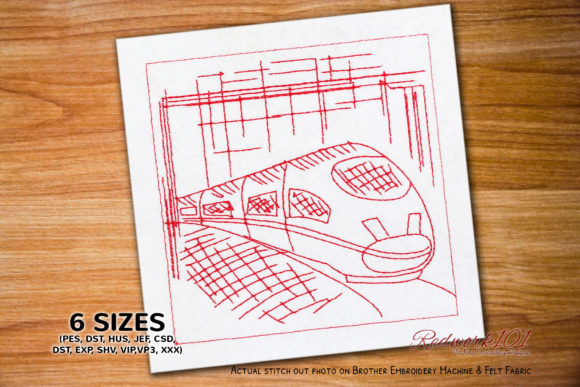
The Electric Train design presents a classic, illustrative feel. The redwork style suggests a single color thread, which creates a clean, graphic statement. It feels simultaneously classic and playful—a balance that works well for brands targeting a wide audience, from families to enthusiasts of rustic or vintage aesthetics. The detail level appears thoughtful; it’s not overly dense or minimalist, aiming instead for a recognizable, decorative illustration that won’t overwhelm a garment. For a boutique brand, this offers a premium yet casual touch, elevating a simple sweatshirt into a themed, desirable piece.
Application on Specific Garments and Products
Visualizing this machine embroidery design on actual products is key. Here’s how I see the Electric Train fitting into various apparel projects.
Sweatshirt and Hoodie Embroidery
For a neutral sweatshirt—beige, grey, cream—the Electric Train would act as a perfect focal point. Placed centrally on the chest, it creates an instant statement. On an oversized garment, it maintains proportion without looking lost. For a pastel hoodie, like a soft pink or mint, the redwork contrast would be charming and subtly bold. On darker apparel, such as a navy or black sweatshirt, the single-color stitch would pop dramatically, offering high visual impact with relatively low stitch density. This versatility makes it a strong candidate for a core design in a seasonal collection.
T-Shirts, Denim, and Tote Bags
Beyond sweatshirts, the design translates well. On a t-shirt, careful placement is needed due to lighter fabric, but it could serve as a refined sleeve accent or a smaller chest logo. Applied to a denim jacket pocket or back panel, it leans into a rustic, handmade product vibe. For tote bags, the Electric Train becomes a lifestyle graphic, signaling a brand’s identity beyond just apparel. These applications expand its utility for Etsy sellers and small shop products looking to create visual consistency across merchandise.
Professional Presentation and Commercial Use
Using this embroidery file for commercial embroidery products means considering its presentation. In lifestyle product photos, the design offers a clear, recognizable motif that aids product recognition. For printable mockups in Etsy listings or social media graphics, its clean lines present well. It helps build buyer trust by suggesting a professionally executed, intentional design, not a generic graphic. This strengthens a brand’s identity and can increase perceived value.
Where to Use Electric Train with Care
Even with a well-designed file, practical embroidery experience dictates caution in certain scenarios. The optional box stitch mentioned in the description is a notable element. While it frames the design, such a border on a curved surface like a sleeve or on stretchy fabric like fleece could present challenges if the stitch density is high. Small chest placement on a ribbed fabric might also require extra stabilization to prevent puckering.
For dark garments, thread color contrast is paramount—a bright red or a deep crimson would be classic choices, but testing on scrap fabric is essential. Any tiny lettering or extremely dense stitch areas within the design should be inspected before committing to a final garment, especially on fabrics that may stretch or wrinkle during wear.
Affecting Apparel Value and Customer Engagement
A design like Electric Train isn’t just a decoration; it’s a brand asset. When used consistently across a small collection—say, sweatshirts, totes, and kids’ apparel—it creates a cohesive story that enhances professional presentation. Customers engage with a clear theme, whether it’s transportation, travel, or classic illustration. For a handmade business owner, this allows for storytelling in product descriptions and marketing, connecting emotionally with buyers and setting products apart from mass-market alternatives.
Practical Designer Notes Before Production
Before loading any Creative Fabrica embroidery file, my process involves several checks. First, I always review the product details on the site for specifics like file formats, included sizes, and licensing for commercial use. For Electric Train, confirming the available hoop sizes is crucial to plan placements. I then test the design on scrap fabric that matches my target garment—a similar weight fleece or cotton for sweatshirts.
Stabilizer choice is tested alongside this, especially for knit fabrics. I inspect the stitch density by running a test to ensure it’s suitable for the fabric texture without causing stiffness or distortion. Comparing placement options on a physical garment or a mockup helps finalize the visual impact. Only after these steps do I proceed to production for finished apparel. This diligence ensures the final product meets the quality expectations of my brand and customers.
Final Thoughts for Creative Entrepreneurs
The Electric Train embroidery design offers a straightforward path to a themed, visually appealing apparel line. Its redwork style simplifies thread management while providing strong decorative value. Whether you’re a digital seller supplying files, a crafter making custom apparel, or a small clothing brand building a collection, this design can serve as a versatile, classic centerpiece. Its success ultimately hinges on that essential embroidery practice: testing, planning, and aligning it with your brand’s specific vision for boutique merchandise.