Heart Stuffie ITH Review for Craft Fairs
As an embroidery designer who has spent years analyzing what moves product at weekend markets and handmade pop-ups, I approach every new digital file with a critical eye. It is not enough for a design to simply look good on a screen; it must translate into a tangible, desirable craft fair product. Today, I am reviewing the Heart Stuffie ITH, a design marketed as cute, happy, and perfect for Valentine’s Day. But does it have the commercial viability to stand out in a sea of heart-themed goods? Let us break down its potential from the perspective of production, visual appeal, and sales psychology.
First Impressions: The Visual Hook
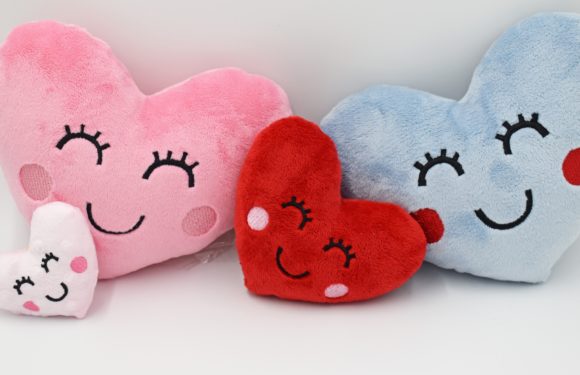
The title "Heart Stuffie ITH" suggests a playful, perhaps slightly rustic or farmhouse aesthetic. In the world of embroidery, "stuffie" implies a soft, cuddly quality, while "ITH" (In The Hoop) promises efficiency. For a booth display, first impressions are everything. A customer walking by a table needs to see something that grabs attention within three seconds. This design appears to strike a balance between festive and universally appealing. It feels less like a generic clip-art heart and more like a character-driven element, which adds personality to the final piece.
This personality is crucial for Etsy sellers and boutique makers. When customers browse online or walk through a market, they are often looking for items that feel personal and handcrafted. A design that reads as "cute and happy" triggers an emotional response that purely decorative patterns often miss. It suggests warmth and giftability, making it an ideal candidate for holiday gifting seasons, particularly around Valentine’s Day.
Product Application and Versatility
One of the strongest indicators of a successful machine embroidery design is its versatility across different substrates. The Heart Stuffie ITH is positioned as an in-the-hoop project, which inherently suggests it might be intended for items like plush toys, small pouches, or stuffed hearts. However, its adaptability extends far beyond just the primary use case.
- Tote Bag Design: Placing this design on a canvas tote bag creates an instant accessory. Because it is likely compact yet detailed, it works well as a focal point without overwhelming the fabric. It photographs beautifully for social media, a key driver for small shop product visibility.
- Apron Embroidery: Kitchen aprons are perennial best-sellers at craft fairs. A heart motif here signals domestic warmth and love. If the design allows for varied placement, it can serve as a chest pocket accent or a central belly feature, adding value to a simple garment.
- Tea Towel Embroidery: Linen or cotton tea towels provide a smooth surface that highlights thread texture. The contrast between the fabric weave and the satin stitches of the heart will create a premium tactile experience, elevating the perceived value of the item.
- Embroidered Patch: Many ITH designs can be adapted into patches. If the Heart Stuffie ITH includes a clean edge or can be easily trimmed, it becomes a versatile commercial embroidery asset that can be sewn onto caps, denim jackets, or backpacks.
- Fabric Pouches and Market Bags: Small zippered pouches are high-margin impulse buys. A cute heart design makes these practical items feel special, encouraging last-minute purchases by shoppers looking for quick gifts.
Production Practicality and Batch Potential
For any entrepreneur, time is money. The efficiency of the embroidery file directly impacts your profit margin. Designs that are easy to understand at a glance reduce setup time and minimize errors. If the Heart Stuffie ITH features straightforward stitching paths and clear layering, it is highly repeatable for batch production.
Consider the workflow: you load the hooping material, start the machine, and let it run. If the design requires frequent thread changes or complex positioning adjustments, it slows down your output. A design that maintains clarity and structural integrity even when stitched rapidly is essential for keeping up with demand during peak seasons. Furthermore, if the design looks equally impressive in both monochrome and multi-color variations, you can offer customizable options to customers without needing entirely new files.
Photography and Online Listings
In the digital age, your printable mockup is just as important as the physical product. The Heart Stuffie ITH, with its distinct shape and cheerful vibe, lends itself well to lifestyle photography. Imagine the design on a rustic wooden table next to coffee beans and fresh flowers, or on a child’s bedroom wall. These images tell a story that helps buyers visualize the item in their own homes. Ensure that the thread colors used in your mockups accurately represent the available palette, as color accuracy builds trust with Etsy sellers and online boutiques.
Careful-Use Notes and Technical Considerations
While the design shows promise, there are technical pitfalls to avoid. Not all fabrics behave the same way under the needle. Here are critical factors to evaluate before mass production:
- Dense Stitch Areas: Check for areas where the stitch density might cause puckering, especially on lightweight fabrics like thin cotton tees or delicate linens. If the density is too high, the fabric may distort, ruining the clean lines of the heart.
- Tiny Details: Evaluate the smallest elements of the design. Will they remain distinct when embroidered on a curved cap surface or a textured towel? Tiny details can get lost or merge together if the resolution is not sufficient or if the fabric absorbs the thread too much.
- Fabric Texture: Heavily textured fabrics, such as waffle-weave towels or boucle knits, can obscure fine embroidery details. Test the design on your target materials to ensure the heart remains recognizable and crisp.
- Dark Fabric: Embroidery on dark backgrounds requires specific thread choices and potentially a stabilizer layer to prevent show-through. Ensure the design has enough coverage to look vibrant against darker hues.
- Hoop Size Constraints: Confirm the required hoop size for the ITH process. If the design is large, it may limit the types of products you can embroider. Smaller hoops allow for greater flexibility in product variety.
Designer’s Checklist for Success
Before listing the Heart Stuffie ITH as a finished product or selling the digital file, follow these professional steps to ensure quality and compliance:
- Test on Scrap Fabric: Never assume a design will work perfectly on the first try. Stitch it out on the exact fabric you plan to sell to check for tension issues and color fastness.
- Check Thread Contrast: High contrast between thread and fabric generally yields the best visual impact. Experiment with different thread colors to find the most striking combinations.
- Review Spacing and Layout: Ensure the design fits well within the chosen product dimensions. Poor spacing can make a design look cramped or unbalanced.
- Inspect Stitch Density: Verify that the stitch count is appropriate for the fabric weight. Too much density on light fabric causes damage; too little on heavy fabric looks sparse.
- Use the Right Stabilizer: Select a stabilizer (cut-away, tear-away, or wash-away) that complements the fabric structure to prevent shifting and distortion.
- Create Real Mockups: Produce at least one real sample to photograph. Digital renders can be misleading; a physical photo proves the quality and texture of the work.
- Confirm Commercial Licensing: This is non-negotiable. Before selling any finished product made from this digital embroidery file, review the license terms. Ensure you are permitted to sell the physical items created using the design assets.
Ultimately, the Heart Stuffie ITH has the potential to be a standout item in your craft fair inventory. Its charming aesthetic aligns well with current trends in handmade goods, and its in-the-hoop nature offers production efficiencies. By carefully testing the design, selecting the right products, and adhering to professional standards, you can turn this simple heart motif into a profitable and beloved addition to your brand. Remember, success lies not just in the design itself, but in how effectively you present and produce it.