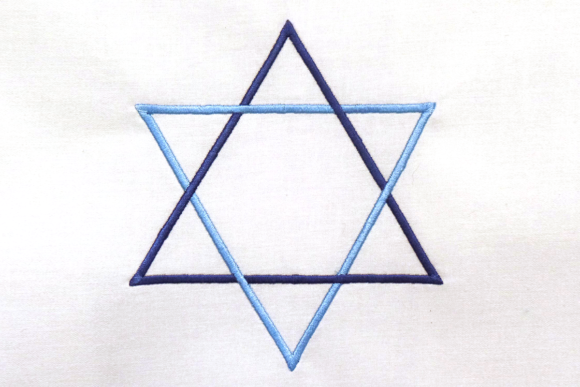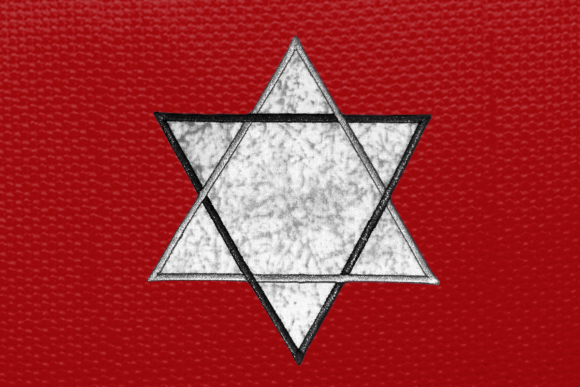
Reviewing the Intertwined Star of David Applique Design
As an embroidery designer preparing for a weekend craft fair, every design in my lineup gets a critical review. It’s not just about aesthetics; it’s about what will look good on a table, catch a customer’s eye from a few feet away, and be practical to produce in batches. Today, I’m looking at the Intertwined Star of David Applique machine embroidery design. My immediate impression is that this is a decorative and elegant design. The “intertwined” element suggests a layered, thoughtful complexity that feels more premium than a simple outline. It’s not bold or rustic; it’s intricate and meaningful, which is a powerful combination for handmade products.
Craft Fair Booth Placement and Product Fit
At a busy market, your booth needs visual anchors—items that tell a story and draw people in. The Intertwined Star of David Applique has the potential to be one of those anchors, especially within the Religion category. But its success depends entirely on what product you put it on.
For maximum impact, I would feature this design on items where the elegance can shine. A well-made pillow cover or a tea towel displayed flat on my table would show the design’s full detail. A tote bag is another excellent candidate; the larger surface area allows the intertwining elements to be clearly seen, elevating a simple bag into a special, giftable item. For smaller, impulse-buy products, turning this into an embroidered patch could work, but I’d be cautious: intricate designs can lose clarity at very small sizes. A small fabric pouch or the front of a cap could be charming, but the curved surface of a cap requires careful stabilizer choice.
My booth strategy would be to create a small, cohesive collection. I might make one beautiful pillow as a centerpiece, several tote bags in different fabric colors hanging prominently, and a stack of tea towels folded to show the embroidery. This shows versatility and helps customers imagine the design in their own home.
Production Notes for the Handmade Seller
Before I stitch this on any product for sale, there are practical embroidery considerations. The description mentions it “comes with multiple,” which I interpret as likely including different file formats or sizes. This is crucial.
- Always test first. Run the embroidery file on scrap fabric identical to your final product fabric—a textured towel versus a smooth cotton tote behaves differently.
- Check stitch density and thread contrast. An intertwined design may have dense stitch areas. On dark fabric, you’ll need bright, contrasting thread colors. On light fabric, a classic gold or blue thread could look stunning.
- Confirm the hoop size. The design needs to be sized appropriately for each product. A large design on a tea towel might require a bigger hoop than your machine can handle for a cap.
- Use the right stabilizer. This is non-negotiable for a clean finish, especially on stretchy caps or bulky towel fabric.
- Make at least one real mockup. A printable mockup is fine for an Etsy listing, but you need a physical sample to judge the handmade quality and tactile appeal.
For batch production at a craft fair, I need a design that runs reliably. If the Intertwined Star of David Applique has clean outlines and manageable stitch counts, it can be repeatable. If it’s overly complex with tiny details, it might be slower to produce, affecting my inventory numbers.
Selling Power: Online and In-Person Appeal
This design’s visual appeal directly affects customer attention and product value. In person, the intricacy suggests skill and care, boosting the perceived handmade quality. At the fair, a customer looking for a meaningful gift or a symbol for their home will notice this design among simpler motifs. It tells a story, which is a key selling point.
For my Etsy seller side, photography is vital. This design must be photographed on a finished product with excellent lighting to capture every intertwined line. A flat lay of a tea towel or a styled shot of a pillow on a couch would work well. The Religion category can be a specific niche, helping the right buyers find it. In the listing, I’d emphasize the words “intertwined” and “applique” to convey the unique, layered craftsmanship.
Brand consistency matters too. If my shop leans toward modern, elegant home decor, this design fits perfectly. If my brand is more rustic or funny, it might feel out of place. I’d consider pairing it with other elegant, symbolic designs in my booth for a cohesive collection.
Critical Use Notes and Final Advice
Every design has its careful-use notes. For the Intertwined Star of David Applique:
- Small sizes risk clarity loss. If you shrink it for a tiny patch or pouch accent, the intertwining lines might blur into a solid shape. Test at your intended size.
- Fabric texture is a partner or a foe. On a smooth quilting cotton for a pillow, it will look sharp. On a nubby market bag fabric, details might soften—this could still be attractive, but it changes the feel.
- Thread color choice is paramount. Using a single color might highlight the form. Using two colors for the intertwined layers could be spectacular but increases production complexity.
- Always confirm commercial licensing. The product description doesn’t specify license terms. Before I sell any finished product at a craft fair or online, I must verify that my digital embroidery file purchase includes the right to sell commercially. This is a fundamental step for any small shop product.
In summary, the Intertwined Star of David Applique is a strong contender for my craft fair table. It offers elegant, decorative appeal that can elevate simple products like tote bags and pillow covers into premium, giftable items. Its success hinges on pairing it with the right product, executing a clean embroidery run with proper stabilizer and thread, and presenting it within a thoughtful booth display. For the embroidery business owner looking to add meaningful depth to their product line, this design, produced with care, can become a standout piece that attracts engagement and conveys real handmade value.