The Charm of Simple Fruit: A Designer's Look at a 'Cherries' Embroidery File
When I download an embroidery design for a potential project, my first question is always a practical one: what kind of work is this going to create? A file titled simply Cherries lands in my library. It promises a bright or cheeky decoration. I’m not looking at pixels on a screen; I’m visualizing stitches on fabric, a finished product in a client’s hands, or an item hanging in my small shop. Let’s walk through that thought process.
First Impressions: Cheerful, Classic, and Versatile
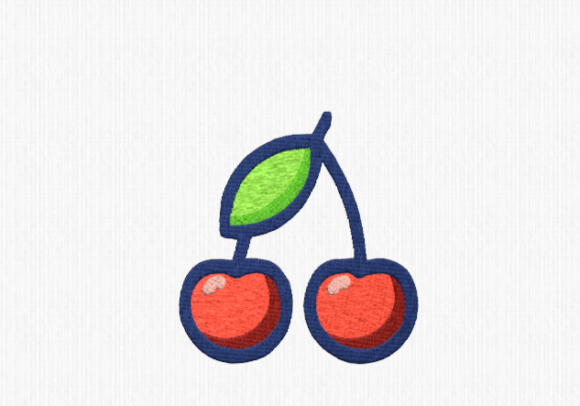
The theme is instantly recognizable—a pair of cherries. This isn't a complex, detailed still life. It’s a graphic, likely clean-lined representation. The mood it creates is upbeat and friendly. There’s a timeless quality to fruit motifs; they feel wholesome, approachable, and slightly nostalgic. The layout, presumably two cherries with stems, suggests a compact, focal-point design. The detail level will be key: is it a simple outline with a satin stitch fill, or does it have more texture? This visual personality—cute, classic, cheery—means it doesn’t belong to just one project. It’s a candidate for anything that needs a touch of warmth.
Where These Cherries Naturally Belong
My mind immediately goes to kitchen towels and aprons. A single cherry pair embroidered on the corner of a linen tea towel is a perfect, subtle handmade upgrade. It’s also a strong contender for baby items—a small, sweet motif on a blanket or the cuff of a little onesie feels gentle and cute. For personalized gifts, imagine it on a canvas tote bag paired with a name underneath; it becomes a unique, cheerful statement. As a boutique product, a neatly embroidered cherries patch applied to a simple sweatshirt could be a bestseller for a craft business focusing on fun, wearable art.
Performance in Real-Life Embroidery Situations
How will this design behave when the machine starts running? For custom apparel like t-shirts and sweatshirts, the success hinges on stitch density and fabric choice. On a cotton tee, a moderately dense fill stitch for the cherry bodies should look crisp, but on a stretchy knit, the right stabilizer is non-negotiable to prevent puckering. For a tote bag made of heavier canvas, it should be a dream—solid and stable.
Consider a real scenario: I’m preparing a custom order for a wedding gift—a set of linen napkins with a small, elegant motif. Cherries could work, leaning into the ‘bright’ descriptor with cheerful reds. But I’d first test it on a scrap of similar linen. I’d check how the small details, like the stems, translate. Are they a single running stitch or a satin stitch? Thin, delicate lines can sometimes get lost or break on textured fabric.
For caps or curved surfaces, the design’s size and complexity matter greatly. A compact, not overly detailed file is ideal for the curved panel of a cap. A design with too many tiny corners or jumps would be frustrating. I’d also think about dark fabric. If the design uses light thread colors for the cherries, the contrast must be high enough to maintain clarity. Sometimes a design looks perfect in a white-background digital mockup but loses impact on a navy blue hoodie.
Affecting Value, Trust, and Presentation
From a business perspective, a well-executed cherry embroidery adds tangible value. On a plain tea towel, it transforms it from a commodity into a handmade product. For an Etsy seller, that’s the difference between a $5 item and a $15 item. The stitching clarity directly impacts customer trust. Clean, even satin stitches and no misaligned jumps show professionalism. A messy, puckered application looks amateurish and hurts brand consistency.
The giftability of a finished product with this motif is high. Fruit designs are universally liked, non-controversial, and feel personal when customized. They have great recognition, which aids in buyer engagement—people instantly understand and connect with the image. For craft fair products, items embroidered with such a friendly, classic design often attract quick, positive attention.
Points for Careful Consideration
Not every project is a perfect fit. This design should be used carefully on very small hoop sizes if the file itself is not optimized for them. Miniaturizing a design can crush small details. On thin fabric like a silky blouse, a high stitch density might create a stiff, uncomfortable patch on the garment. For products that need frequent washing—like kitchen linens or baby clothes—the thread color fastness and the security of the stitches are paramount. I’d recommend testing a sample through a wash cycle.
Also, consider the end-use context. Is it for a child’s item where safety and comfort are key? Is it for a commercial embroidery project where speed and reliability are priorities? The design’s stitch count and complexity affect machine time and material cost.
Practical Notes for the Embroidery Designer
Before committing thread to a final project, here’s my routine:
- Always test the design on scrap fabric first, using the same stabilizer you plan for the final product.
- Check thread color contrast against your actual project fabric, not just a screen preview.
- Review stitch density by looking at the sewn test sample. Is it too thick for lightweight fabrics? Is it sparse enough to look clean on towels?
- Confirm hoop size requirements. While the product description mentions it comes in multiple sizes, you need to know which one you’re using and if it matches your project’s dimensions.
- Inspect small details like the stem connection points and leaf accents (if present). These are where jumps or trims can cause issues.
- Test the design concept in black and white mockups to see if the shape holds up without color.
- Compare light and dark fabric backgrounds by stitching two samples. The design might need different thread palettes for each.
- Use the proper stabilizer. A simple fruit design on a towel might need a lightweight cutaway, while on a cap, a sturdy adhesive tearaway is better.
- Crucially, check whether the design works for both personal and commercial projects. Verify the licensing terms before selling finished items or using the file as a digital product asset in your own shop.
Finally, remember that the description says this machine embroidery design comes with multiple embroidery file formats. You must ensure you have the correct format for your specific machine before starting. A design like Cherries, with its simple, strong shape, has the potential to become a versatile staple in your design library for custom apparel, personalized gifts, and small shop products. But its real success lies entirely in how you, the maker, apply it thoughtfully to your real-world materials and projects.