A Professional’s Look at the Circle Frame Monogram Design
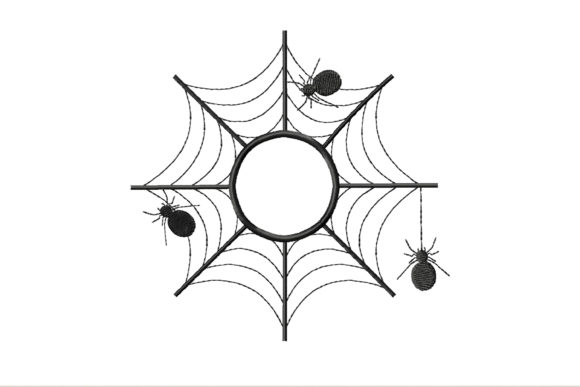
As someone who runs a small personalized gift shop and handles countless custom orders, I’m always on the lookout for embroidery designs that can transform a simple item into a meaningful keepsake. Today, I’m putting the Circle Frame for Monogram machine embroidery design through a practical review. The goal? To see how it performs as the heart of a personalized gift product before I stitch it onto a real customer’s order.
First Impressions: Spooky Charm with Practical Appeal
The immediate mood of this design is playful and seasonal. It carries that spooky Halloween charm the description mentions, but it’s also relatively simple—a crucial balance. The emotional appeal leans into the fun, handmade feel of the holiday without being overly complex or childish. This isn’t a design that screams horror; it whispers a playful, personalized secret. For a personalized gift, that’s a winning combination. It feels modern in its clean circular framing, yet classic in its monogram-centric approach.
Unlocking Its Potential: From Baby Blankets to Wedding Keepsakes
The true test of any machine embroidery design is its versatility. The Circle Frame for Monogram opens up a world of applications. Imagine a baby’s first Halloween, with their initials stitched onto a cozy blanket embroidery or a nursery item. Picture it on a kitchen towel or apron as a fun, family-themed addition for the season. For a wedding gift with a couple who loves Halloween, this could become a unique pillow cover or embroidered towel commemorating their fall wedding date.
For small business owners like myself, this design is a tool for multiple product lines. It’s perfect for craft fair products—quick-to-personalize tote bags and pillow covers. For Etsy sellers and digital product sellers offering custom embroidery, it allows for easy custom order previews and printable mockups. The “fun monogram” core makes it ideal for baby embroidery, family keepsakes, and even decorative aprons. Its simplicity means it can scale from a small personalized gift like a handkerchief to a larger statement on a blanket.
A Note on Careful Application
While versatile, every design has considerations. With any monogram-focused file, pay close attention to small lettering. I would advise testing the stitch density on scrap fabric first, especially if planning to use it on textured fabric like thick towels or stretchy baby clothes. Delicate details need proper hoop size and stabilizer to prevent distortion. On curved surfaces like caps or dark fabric where thread color contrast is key, a test run is non-negotiable. For products needing frequent washing, like towels or aprons, a robust stitch construction is vital—something I’d verify in my initial tests.
The Giftability Factor: Building Trust and Value
How does this design affect the final product’s appeal? A well-executed Circle Frame for Monogram elevates giftability immensely. It turns a generic item into a bespoke piece, boosting perceived value. The handmade quality is evident when the stitches are clean, fostering customer trust. The emotional connection is direct—it’s their initials, their family symbol, framed in a seasonal celebration.
For product photography and buyer engagement, a design like this is a star. It provides a clear, attractive focal point for Etsy listings or small shop product photos. Customers can instantly visualize their personalization, which drives engagement and sales. It speaks to buyers looking for that perfect, meaningful handmade product.
Practical Notes Before the First Stitch
Before loading this digital embroidery file and running a production batch, my professional routine kicks in. Here’s what I’d do:
- Test on scrap fabric identical to my intended final product material.
- Check thread color contrast meticulously, creating both light and dark fabric mockups in my software to preview results.
- Confirm the hoop size required. The description mentions it comes with multiple files, which often includes different sizes—I’d select the appropriate one for my project.
- Review stitch density by observing the test stitch-out, ensuring it’s suitable for my fabric choice (e.g., not too dense for delicate fabrics).
- Use the proper stabilizer for the specific fabric texture—this is paramount for clean small details.
- Check small details after stitching the test piece, looking for any potential thread breaks or awkward jumps.
- Most critically, confirm commercial licensing before selling any finished products. The product description does not specify license terms, so I would need to verify this with the designer or distributor to ensure my commercial embroidery use is permitted.
Missing details like exact stitch count or specific file formats aren’t a blocker, but they are reminders to always review the design’s full documentation before use.
Final Thoughts for Fellow Crafters
The Circle Frame for Monogram presents a charming, spooky-season opportunity. Its strength lies in its simplicity and focus on personalization. For embroidery makers, gift shop owners, and handmade sellers targeting Halloween projects or clients who adore personalized seasonal decor, this design is a versatile blank canvas. It asks for our craftsmanship to bring it to life. By following thorough testing protocols and understanding its application limits, we can transform it into cherished, gift-ready products that carry both a name and a holiday’s playful spirit.