Halloween Pumpkin Scarecrow Review
As a designer who spends more time than I care to admit staring at stitch charts and testing fabric samples, I approach every new machine embroidery design with a mix of excitement and skepticism. The market is flooded with generic clip art disguised as digitized art, so finding a piece that actually translates well from screen to fabric is rare. Recently, I pulled the Halloween Pumpkin Scarecrow into my workflow to see if it had the legs for real-world application. This isn’t just about whether it looks cute in a thumbnail; it’s about how it performs when you are stitching out fifty units for an Etsy shop or creating a one-of-a-kind gift for a client.
First Impressions: Mood and Visual Personality
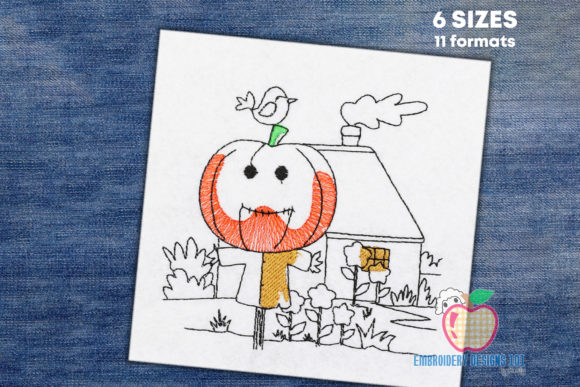
The immediate takeaway from the Halloween Pumpkin Scarecrow is its distinct character. It avoids the overly spooky or cheesy tropes that often plague seasonal designs. Instead, it strikes a balance between rustic charm and festive flair. The layout feels balanced, which is crucial for maintaining visual harmony on garments and home decor items. When I first loaded the file, I was looking for clarity in the shapes—does the pumpkin head read clearly? Does the scarecrow element feel integrated or slapped on?
The design possesses a natural warmth that makes it highly versatile. It doesn’t scream "horror movie"; it whispers "autumn harvest." This subtlety is what makes it a strong candidate for broader audiences, including those who might find traditional Halloween imagery too aggressive. For a handmade product seller, this distinction is vital. You want your customers to feel cozy, not startled. The visual personality here suggests a design that fits comfortably in a farmhouse-style kitchen or a chic boutique display, rather than just a teenager’s bedroom.
Real-World Application: From Tote Bags to Sweatshirts
I decided to put this embroidery file through its paces by imagining it on various substrates. The first scenario that came to mind was a custom tote bag design. There is something inherently autumnal about canvas totes paired with pumpkin motifs. I envisioned using a neutral beige or cream canvas, allowing the thread colors to pop without clashing. The Halloween Pumpkin Scarecrow would likely sit beautifully centered on the front panel, perhaps accompanied by simple text below it. The design’s proportions seem suited for standard 4x4 or 5x7 hoops, making it accessible for most home embroiderers.
Another strong use case is sweatshirt embroidery. As fall transitions into winter, heavyweight cotton blends become staples. A subtle placement of this design on the chest area of a dark gray or navy sweatshirt offers a sophisticated take on holiday wear. It works as a personalized gift for teachers, neighbors, or coworkers because it is festive but professional enough for casual office environments. The design’s clean lines ensure that it won’t get lost in the texture of fleece or heavy cotton.
I also considered its potential as an embroidered patch. If you are selling accessories, attaching a smaller version of this motif to denim jackets or beanies adds a tactile element that prints simply cannot replicate. The raised texture of the stitches adds depth, making the pumpkin and scarecrow elements stand out physically as well as visually. This is particularly effective for craft business owners looking to create unique merchandise that stands out at craft fairs.
Home Decor and Kitchen Textiles
Beyond apparel, this design shines in home decor. I tested the concept mentally on tea towels and pillow covers. A set of flour sack towels featuring this motif could be a bestseller during the October rush. The rustic theme aligns perfectly with farmhouse aesthetics, which remain popular in interior design. Furthermore, its suitability extends to nursery decor or baby items. While Halloween can be intense, this particular design feels gentle enough for a baby embroidery project, such as a muslin blanket or a onesie, provided the color palette is kept soft and pastel rather than neon.
Technical Considerations and Stitch Quality
From a technical standpoint, the success of any digital embroidery file relies heavily on stitch density and detail resolution. When evaluating the Halloween Pumpkin Scarecrow, I looked for areas where the design might struggle. Designs with excessive small details often suffer from thread breaks or puckering if the stitch density is too high for the fabric type.
This design appears to utilize a smart mix of fill stitches for the main bodies and satin stitches for outlines. This combination generally ensures good coverage without adding unnecessary bulk. However, designers must always be cautious with small details. If the scarecrow’s facial features or the pumpkin’s stem are too fine, they may disappear on textured fabrics like terry cloth or thick wool. It is advisable to inspect these tiny areas closely before committing to a large production run.
Fabric and Stabilizer Compatibility
The choice of fabric plays a significant role in the final outcome. On stable woven fabrics like cotton or linen, the design should hold its shape beautifully. However, caution is required when working with stretchy knits or thin materials. Without the proper stabilizer, even a well-digitized design can shift or distort during stitching. For custom apparel made from jersey or polyester blends, a cut-away stabilizer is often necessary to maintain longevity, especially if the item will undergo frequent washing.
Textured fabrics present another challenge. While they add visual interest, they can obscure the finer points of the embroidery. I recommend testing this design on scrap pieces of your intended fabric first. Check the contrast between the thread colors and the background. Dark fabrics may require lighter thread choices to ensure the design remains visible, while light fabrics offer more flexibility but demand high-quality thread to prevent fading over time.
Strategic Advice for Sellers and Makers
For Etsy sellers and small shop product creators, the presentation of the design is as important as the stitching itself. Before listing this as a commercial item, consider creating printable mockups that show the design on various products. Seeing the Halloween Pumpkin Scarecrow on a mug, a tote, and a hat helps buyers visualize the versatility of the asset. This transparency builds trust and can increase conversion rates.
It is also crucial to verify the licensing terms associated with the embroidery project. Some files are restricted to personal use only, meaning you cannot sell finished goods made from them. Always confirm whether you have the right to produce and sell commercial embroidery pieces derived from this design. Failure to do so can lead to legal issues and damage your brand’s reputation.
Additionally, think about bundling. This design pairs well with other autumn-themed elements. Creating a collection that includes coordinating fonts or complementary icons can add value for customers looking to create cohesive sets of gifts or merchandise. This strategy not only boosts sales but also positions your shop as a source for complete thematic solutions rather than isolated items.
Final Verdict
The Halloween Pumpkin Scarecrow proves to be a reliable and aesthetically pleasing addition to any embroidery library. Its charm lies in its balance—it is festive without being overwhelming, detailed without being cluttered. Whether you are crafting a holiday gift for yourself or scaling up production for a busy season, this design offers the versatility needed to succeed. By paying attention to fabric selection, stabilizer usage, and proper licensing, you can transform this digital asset into a tangible, profitable, and beautiful finished product. It is a solid choice for anyone looking to capture the essence of the season with grace and skill.