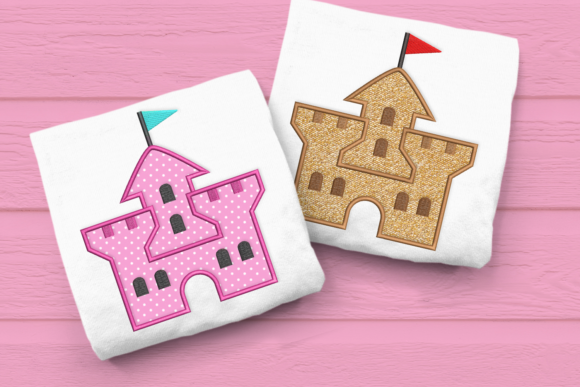
A Real Designer’s Review of the Cute Castle Applique
As someone who designs and produces embroidery for clients every day, I look at digital files with a practical eye. My first question is always: will this design hold up in a real project, and will it add value to the finished piece? When I came across the Cute Castle Applique on Creative Fabrica, I was intrigued by its potential versatility. Here’s my honest evaluation, considering it for actual handmade goods and commercial orders.
First Impression: A Design with Flexible Charm
The initial appeal of this embroidery file is its clever adaptability. The description notes it could be a sandcastle or a fairytale castle, and visually, that rings true. The structure has a friendly, decorative outline that isn’t overly rigid. It feels playful rather than formal, leaning towards a storybook or summer beach theme depending on your thread colors. The detail level appears balanced—not so minimalist that it lacks character, but not overly dense with tiny elements that might become problematic on textured fabrics. This gives it a stitching personality that is cheerful and approachable, perfect for handmade products aimed at children, gifts, or whimsical home decor.
Where This Applique Design Naturally Fits
In my workflow, I immediately pictured several applications. For custom apparel, it’s a strong candidate for children’s sweatshirts, baby blankets, or tote bag designs. Its theme fits neatly into nursery decor, pillow covers for a child’s room, or playful aprons and kitchen towels for a family kitchen. For Etsy sellers and craft fair products, this design could anchor a whole line of handmade gifts—think “summer adventure” tote bags with a sandcastle or “fairytale dreams” baby sets with the castle. It also has clear potential for a standalone embroidered patch, which could be applied to caps or backpacks. The decorative appeal is high for boutique merchandise targeting parents or fans of lighthearted themes.
Considering Performance on Real Materials
Practical performance is where a design earns its keep. For the Cute Castle Applique, I would consider a few key factors before stitching it for a customer. Applique designs often use satin stitch borders and fill stitch areas, so checking the stitch density in the file details is crucial. High density on stretchy fabric like sweatshirts requires proper stabilizer to prevent puckering. The design’s smaller details, like window outlines or flag lines, need to be evaluated for clarity; they should not be so tiny that they vanish on a curved cap surface or a textured towel.
Working on dark fabric requires thoughtful thread color contrast—bright, light threads would make the castle pop. A critical step for any commercial embroidery use is to test on scrap fabric first, using the same material and stabilizer intended for the final product. This reveals how the layers sit, whether any jump stitches are awkward, and how the small lettering or details render after stitching. Always inspect small details after stitching on your test piece.
Important Technical Checks Before You Start
- Confirm hoop size: The product page should list the required minimum hoop size. Ensure it fits your machine and the item you’re embroidering. A design meant for a 4x4 hoop might be perfect for a cap, but too small for a large pillow.
- Review stitch density: Especially for items needing frequent washing, like baby blankets or kitchen towels, overly dense stitching can make the fabric stiff and prone to wear.
- Compare light and dark fabric mockups: Use your software to simulate how the design will look on different backgrounds. This helps plan thread palettes.
- Use proper stabilizer: This is non-negotiable for achieving a clean, professional finish on any project, particularly for applique.
- Confirm file details and licensing: Before selling finished items, always double-check the Creative Fabrica product page for the specific file formats included and the license terms for commercial use. This protects your business and your customer trust.
How This Design Affects Product Value and Appeal
From a business perspective, using a well-executed design like the Cute Castle Applique directly impacts your product’s perceived value. A clean, charming embroidery elevates the handmade presentation, making an apron or tote bag feel like a special, thoughtful item rather than a generic one. This boosts giftability and customer engagement. For your product photography and printable mockups, a design with clear, attractive details creates stronger visual appeal, helping your Etsy listings or website images stand out.
Brand consistency matters for creative entrepreneurs. If you specialize in fairy tale themes or children’s decor, this castle could become a recognizable element across your line, from blankets to pillows. For apparel decorators, it offers a quick, professional-quality option for personalized gifts without needing custom illustration time. The key is that the final stitched result looks intentional and high-quality, which builds buyer trust and encourages repeat business.
Final Thoughts for Fellow Designers and Makers
The Cute Castle Applique strikes me as a versatile machine embroidery design with solid potential for a range of projects. Its strength lies in its thematic flexibility and generally friendly aesthetic. For it to work successfully, the standard practices of testing, stabilizing, and checking product details are essential. It’s not a design I would use on extremely small or complex surfaces without verifying the detail rendering first.
If you’re considering it for real customer orders—like a baby blanket, a set of kitchen towels, or a sweatshirt for a craft fair—my advice is to download it, study the file in your software, and run that crucial scrap fabric test. See how the running stitch and fill stitch areas behave. Assess whether the size fits your project vision. If the details are clean and the licensing supports your use, this Creative Fabrica embroidery asset could efficiently become a charming part of your product lineup, adding that decorative touch clients love without requiring you to design it from scratch.
In the end, a digital embroidery file is a tool. This one appears to be a well-conceived tool for a specific, playful niche. By applying your professional embroidery habits to its use, you can determine if it’s the right tool for your next finished product.