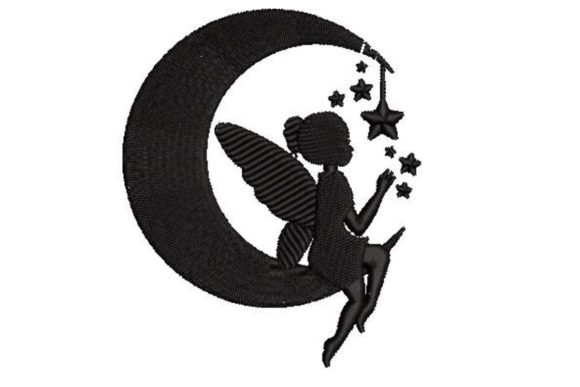
Silhouette of a Fairy Sitting: A Designer’s Review for Personalized Gifts
As an embroidery designer who spends countless hours testing digital files before they hit my own shop, I approach every new download with a mix of excitement and skepticism. When I first unboxed the Silhouette of a Fairy Sitting, I didn’t just see a graphic; I saw potential revenue streams, customer delight, and the delicate balance between artistic charm and technical feasibility. This review is not just about aesthetics—it is a practical breakdown of how this design performs when stitched onto real products for real customers.
First Impressions: Mood and Emotional Appeal
The immediate draw of Silhouette of a Fairy Sitting is its ethereal quality. In the world of Fairy Tales and whimsical decor, there is a high demand for designs that feel magical yet grounded enough to be wearable or usable. This design captures that sweet spot. The silhouette style offers a clean, modern look that avoids the clutter often found in complex multi-color fills, making it incredibly versatile.
From a product planning perspective, the mood is undeniably romantic and gentle. It feels perfect for baby embroidery projects where softness is key, but it also carries enough elegance to work on adult-oriented items like wedding favors or sophisticated nursery decor. The simplicity of the silhouette allows the thread color to do the heavy lifting. Whether you choose a pastel pink for a baby girl’s blanket or a deep midnight blue for a gender-neutral item, the shape remains recognizable and charming. It has that handmade warmth that buyers on Etsy crave—a sense that a human being, not just a machine, curated the final result.
Product Applications and Giftability
One of the strongest selling points of Silhouette of a Fairy Sitting is its adaptability across various product categories. For Etsy sellers and small business owners, versatility means lower inventory risk and higher profit margins. Here is how I envision this design performing on specific items:
- Baby Blankets and Nursery Decor: This is perhaps the most natural fit. The design works beautifully centered on a muslin swaddle or placed off-center on a receiving blanket. It appeals directly to parents looking for meaningful keepsakes. The gentle curves of the fairy silhouette complement the soft textures of baby fabrics without overwhelming them.
- Kitchen Towels and Aprons: Don’t underestimate the power of whimsy in the kitchen. An embroidered towel featuring this fairy can become a unique housewarming gift or a bridal shower present. When paired with a simple script font, it transforms from a simple decoration into a personalized narrative.
- Pillow Covers and Tote Bags: For home goods, this design adds a touch of fantasy to everyday items. On a cotton tote bag, it serves as a playful statement piece. On a pillow cover, it invites relaxation and daydreaming. These are high-perceived-value items that allow you to charge a premium for the customization.
- Wedding Keepsakes: Imagine this design on a linen handkerchief for the bride or a guest book cover. It fits the "something borrowed" or "something blue" theme subtly, adding a layer of storytelling to your wedding gift offerings.
The emotional connection here is strong. Buyers aren’t just purchasing an embroidery file; they are buying a moment of magic. This perception of value is crucial for custom embroidery businesses. When a customer sees a finished product photo of the fairy sitting gracefully on a high-quality fabric, trust increases, and hesitation decreases.
Technical Considerations and Fabric Choices
While the design is charming, no professional would recommend using it blindly. As an experienced maker, I must highlight areas where caution is required. The success of Silhouette of a Fairy Sitting depends heavily on the substrate you choose.
First, consider the stitch density. Silhouettes often rely on tight satin stitches or dense fill patterns to maintain their shape. If you stitch this onto a thick terry cloth towel without proper preparation, the needle may break, or the fabric may pucker excessively. Always use a cut-away stabilizer for heavier fabrics to ensure longevity. Conversely, on stretchy baby clothes, a tear-away stabilizer might suffice, but you must test the tension carefully to avoid distortion.
Fabric texture plays a significant role in the final look. Smooth cottons, linens, and blends will showcase the crisp edges of the silhouette best. Textured fabrics like boucle or heavy wools may hide the finer details, turning the fairy into a vague blob. Additionally, dark fabrics require a high-contrast thread choice. White or silver threads will pop dramatically against navy or black, while light threads on dark backgrounds may get lost if the lighting isn’t perfect in your product photos.
Where to Exercise Caution
There are specific scenarios where this design might struggle:
- Small Lettering: If you plan to add names or dates near the fairy, ensure the font size is large enough. Small text combined with a detailed silhouette can create visual noise that confuses the eye.
- Delicate Details: While the silhouette is generally clean, check the original file for any tiny floating elements. These can be lost during washing or may snag easily.
- Curved Surfaces: Embroidering on curved surfaces like hats or sleeves requires specialized hoops. Ensure your equipment can handle the curvature without distorting the fairy’s posture.
- Frequent Washing: For items like aprons or dish towels that undergo frequent laundering, verify the durability of the thread. Synthetic threads often hold up better than cotton in high-heat washes.
Practical Testing Protocol
Before listing Silhouette of a Fairy Sitting on your storefront, follow these steps to protect your reputation:
Test on Scrap Fabric: Never run a full production order without a test stitch-out. Use the exact fabric and stabilizer combination you plan to sell. This reveals issues with puckering, thread breaks, or color bleeding that only appear during actual stitching.
Check Hoop Size: Confirm the recommended hoop size matches your machine’s capabilities. If the design is larger than your standard hoop, you will need to rehoop, which can affect alignment. Plan your placement accordingly.
Review Thread Colors: Create mockups with different thread palettes. Does the design look balanced in gold? Is it too harsh in neon green? Visualizing these options helps you offer better choices to your customers.
Confirm Commercial Licensing: This is non-negotiable. Before selling any finished product, read the license agreement included with the digital file. Ensure you have the right to sell physical items made from the design. Some licenses restrict the number of units or prohibit certain types of merchandise.
Final Thoughts for Creators
Silhouette of a Fairy Sitting is more than just a pretty picture; it is a tool for creating emotional connections through craft. Its clean lines and whimsical nature make it suitable for a wide range of audiences, from new parents to wedding planners. By paying attention to fabric selection, stabilizer usage, and licensing details, you can turn this machine embroidery design into a standout product in your shop.
Remember, the goal of personalized gift creation is to deliver joy. When a customer unwraps a blanket or a towel featuring this enchanting fairy, they should feel that same sense of wonder. With careful execution and thoughtful marketing, this design can become a staple in your collection of handmade products. Test thoroughly, document your results, and watch your engagement grow as customers fall in love with the magic you’ve stitched into their lives.