ABCD Embroidery Design Review for Small Business Merch
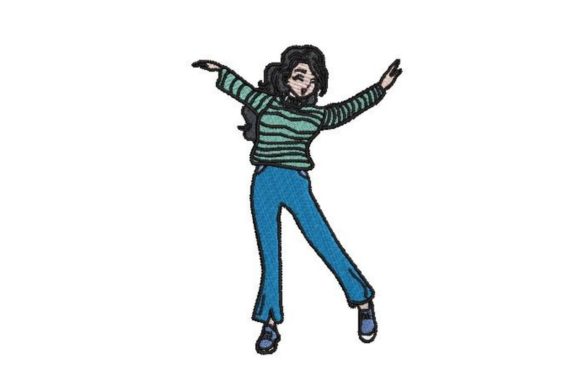
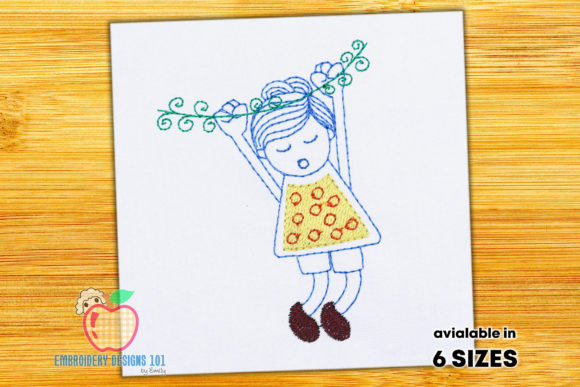
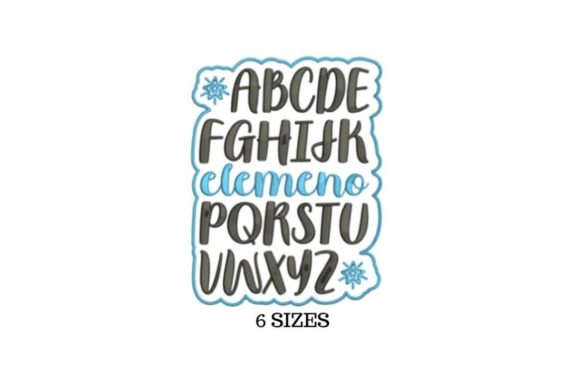
As an experienced embroidery designer who has reviewed thousands of digital files for everything from high-volume corporate uniforms to boutique handmade goods, I approach every new addition to my library with a critical eye. Today, we are looking at ABCD, described as "a funny embroidery creation that will stitch out wonderfully on any type of fabric." While the description hints at versatility and playfulness, our goal here is to determine if this design holds up under the scrutiny of commercial application. Can it serve as more than just a cute accent? Is it viable for branded patches, staff uniforms, and small business merchandise?
First Impressions: Personality and Visual Impact
The title ABCD suggests simplicity, but in the world of machine embroidery, simplicity can be deceptive. The description labels it as a "funny embroidery creation," which immediately signals a playful, approachable personality. For small business owners—particularly those in the creative, lifestyle, or family-oriented sectors like bakeries, florists, or pet brands—this tone is invaluable. It feels friendly and handmade rather than rigid or corporate.
Visually, a design described as stitching well on "any type of fabric" promises adaptability. However, from a professional standpoint, "any fabric" is rarely true without caveats. We must assume this design relies on clean lines and distinct shapes to convey its humor and charm. If it were overly intricate, it would struggle on textured fabrics. Therefore, ABCD likely leans towards a bold, graphic style that reads clearly even when reduced in size. This makes it an excellent candidate for brand identity reinforcement, where recognition is key. It strikes a balance between modern minimalism and decorative flair, making it suitable for custom apparel that needs to stand out without shouting.
Real-World Applications for Small Business Merch
Let’s move beyond theory and look at how ABCD performs in actual production scenarios. Small business owners need designs that offer maximum ROI across multiple product lines. Here is where this embroidery file shines:
- Embroidered Patches: The description implies strong stitch quality, which is crucial for patches. Whether used as a chest logo accent or a sleeve detail, ABCD can serve as a standalone badge. Its playful nature works exceptionally well for small business merch targeting families, such as baby shower gifts or children’s clothing lines (fitting the "Boys" category context).
- Apron Embroidery: For cafes, bakeries, and craft studios, aprons are walking billboards. A funny, well-stitched design like ABCD adds personality to staff uniforms, fostering a welcoming atmosphere. It breaks the monotony of standard black or white workwear.
- Tote Bag Design: Tote bags are essential for Etsy branding and event giveaways. Because ABCD is described as versatile, it likely translates well to canvas or cotton blends. Placed centrally or off-center, it creates a trendy, handmade product aesthetic that customers are eager to carry around town.
- Cap Embroidery: Curved surfaces pose challenges for many designs. However, if ABCD utilizes solid fills and clear outlines, it can hold its shape on a cap front. This is perfect for promotional hats sold at craft fairs or given to loyal clients.
- Product Packaging Accents: Beyond apparel, consider using this design on garment tags or hang tags. A tiny, embroidered version of ABCD on a paper tag elevates the perceived value of your finished product, signaling attention to detail before the customer even tries the item on.
Strategic Use Cases and Brand Identity
Incorporating ABCD into your inventory does more than just add a pretty picture; it influences brand identity. A design that is described as "funny" and "wonderful" communicates confidence and approachability. It tells the customer that your brand doesn’t take itself too seriously but still delivers quality.
For commercial embroidery projects, visual consistency is paramount. If you pair ABCD with other assets in your collection, ensure the line weight and style match. If it is a standalone piece, it can act as a signature mark. Customer trust is built through reliability; a design that stitches cleanly every time reinforces the idea that your products are professionally made. Furthermore, playful designs often drive higher engagement on social media. Customers love sharing photos of unique, humorous items they’ve purchased, providing free marketing for your shop.
Where Caution Is Required
Despite its promising description, no design is universally perfect. There are specific scenarios where ABCD may require careful handling:
- Small Patch Sizes: If you plan to reduce this design to less than 2 inches, inspect the details closely. Complex elements may merge together, losing the "funny" aspect. Always test at final size.
- High Stitch Density: Designs that claim to work on "any fabric" sometimes compensate with heavy density. On delicate fabrics, this can cause puckering. Conversely, on thick denim, insufficient density might show the backing material. Adjust your settings based on the substrate.
- Dark Uniforms and Contrast: Ensure there is sufficient contrast between the thread colors and the fabric. A light-colored design on a dark shirt may lack impact unless outlined properly. Check your thread colors carefully.
- Frequent Washing: For items like aprons or caps that undergo frequent laundering, ensure the design uses satin stitches or dense fills that resist fraying. Avoid loose running stitches for primary structural elements.
Practical Designer Notes for Production
Before adding ABCD to your commercial lineup, follow these essential steps to protect your reputation and ensure quality:
- Test in Black and White: Convert the design to monochrome to check its silhouette. Does it read clearly without color distractions? This tests the fundamental strength of the design assets.
- Check Hoop Size and Stability: Confirm the recommended hoop size matches your equipment. More importantly, select the correct stabilizer. A lightweight cut-away stabilizer is usually best for maintaining shape on stretchy fabrics, while tear-away may suffice for woven tote bags.
- Inspect Spacing and Outlines: Zoom in on the digital file. Are there any overlapping stitches that could cause needle breaks? Are the spacing gaps wide enough to prevent thread clumping?
- Create a Printable Mockup: Before committing to production, generate a printable mockup on various textures (denim, cotton, polyester). This helps visualize how the design interacts with different fabric textures.
- Confirm Commercial Licensing: Most importantly, verify the licensing terms. Just because you bought the digital embroidery file does not automatically grant you the right to sell finished goods. Ensure you have permission for commercial embroidery use.
In conclusion, ABCD appears to be a versatile, charming addition to any embroidery designer’s toolkit. Its playful nature makes it ideal for small business merch that aims to connect emotionally with customers. By testing thoroughly and applying it strategically to patches, apparel, and accessories, you can leverage this design to enhance your brand’s visual appeal and drive sales. Remember, the magic lies not just in the design itself, but in how well it executes on the final product.