Mercury Embroidery Design Review for Business Use
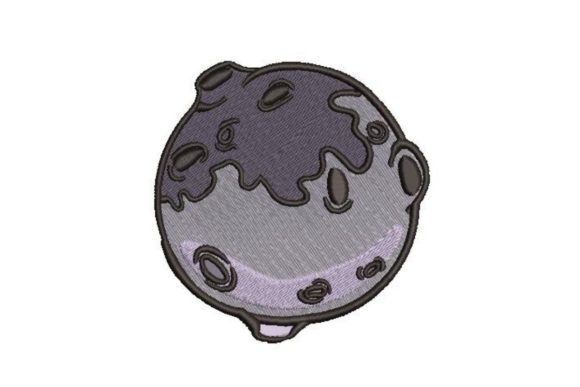
As an experienced embroidery designer who has spent years turning digital concepts into tangible, stitched realities, I approach every new embroidery file with a critical eye. We aren't just looking at aesthetics; we are evaluating potential profit margins, production efficiency, and brand alignment. Today, I am reviewing the design titled Mercury. The product description notes that Mercury is the smallest planet in the Solar System and the closest to the Sun, suggesting this design could serve as an awesome space-themed decoration. While the description leans toward home decor, my focus here is strictly on its viability for small business merch, branded patches, and commercial applications.
This review is tailored for small business owners, embroidery shops, apparel decorators, handmade brands, Etsy sellers, and product designers who need to know if this machine embroidery design can elevate their custom apparel offerings or serve as a unique asset for their brand identity.
First Impressions: Visual Personality and Professionalism
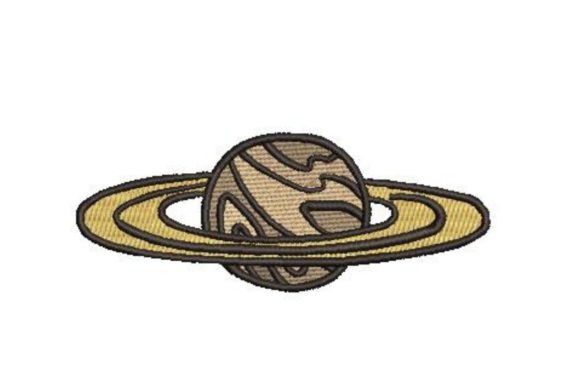
The title "Mercury" immediately evokes themes of speed, precision, and cosmic scale. However, because the description mentions it is the "smallest planet," there is an inherent risk that the design might feel too delicate or minimalistic for certain heavy-duty applications. When I first visualize this design, I imagine a clean, perhaps minimalist representation of the planet itself—possibly with orbital rings or a stylized sun element.
In terms of visual personality, a planetary motif often reads as modern, scientific, and slightly playful. It is not rustic or classic in the traditional sense. For a creative studio, a tech-focused startup, or a boutique selling astronomy-inspired goods, this fits perfectly. It feels premium and thoughtful. However, for a rugged workwear brand or a traditional family bakery, the connection might feel forced unless the branding is specifically niche. The key takeaway is that this design carries a specific energy: it is dynamic yet contained. This makes it an excellent candidate for handmade product lines that want to stand out without shouting.
Real-World Application: Where Mercury Shines
Let’s move beyond theory and look at how this digital embroidery file performs in actual production scenarios. Here is where I see the highest potential for ROI when using the Mercury design:
- Embroidered Patches: Planetary designs translate exceptionally well onto circular or oval patches. If you are creating merchandise for a space camp, a science museum gift shop, or a sci-fi convention vendor, the Mercury patch serves as a strong focal point. It allows for bold thread colors against a contrasting background, making it highly visible from a distance.
- Caps and Hats: Cap embroidery requires designs that sit well on curved surfaces. A centered planetary image works beautifully on the front panel of a trucker hat or a structured baseball cap. It offers a clean, symmetrical look that doesn’t get lost in the curve of the fabric. This is a staple item for Etsy branding and event merch.
- Tote Bag Designs: For eco-conscious brands or bookstore promotions, a subtle Mercury design embroidered near the seam or centered on a canvas tote bag adds a touch of intellectual flair. It appeals to customers who appreciate subtle details over loud graphics.
- Apron Embroidery: Imagine a coffee roastery or a specialty tea shop using this design. Placing a small Mercury accent on the chest pocket of a barista apron suggests precision and care—qualities associated with both coffee preparation and the planet's proximity to the sun. It elevates the uniform from basic workwear to branded attire.
- Product Packaging Accents: Beyond clothing, this design can be used on hang tags or labels attached to products. A tiny embroidered tag featuring Mercury can add significant perceived value to a handmade jewelry box, a book, or a craft kit.
Strategic Considerations: Where to Exercise Caution
No design is universally perfect. As a professional, I must highlight areas where the Mercury design might face challenges during production or final presentation. Understanding these limitations will save you time, thread, and customer returns.
Small Patch Sizes and Detail Loss: If the design includes intricate outlines or tiny text (such as "Solar System" or coordinates), it may become illegible when scaled down to a standard 2-inch patch size. Fine lines tend to merge together during the stitching process, resulting in a muddy appearance. Always inspect the spacing between elements before committing to bulk orders.
Stitch Density and Fabric Texture: High stitch density is necessary for durability, especially on items that require frequent washing, such as staff uniforms or work shirts. However, if the Mercury design relies heavily on dense satin stitches for the planet’s surface, it may cause puckering on lightweight fabrics like thin cotton tees or delicate polyester blends. Test on your target fabric first to ensure the stabilizer choice compensates for any tension issues.
Thread Color Contrast: Space themes often utilize dark blues, blacks, and grays. If you are embroidering this on dark uniforms or black tote bags, you will need to use a high-contrast underlay or light-colored backing material. Otherwise, the design will disappear into the fabric. Conversely, on white backgrounds, ensure the thread colors pop sufficiently to maintain visual impact.
Hoop Size Limitations: Check the recommended hoop size for this file. If the design is large, it may limit your placement options on smaller garments like children’s apparel or narrow sleeve cuffs. Ensure your equipment can accommodate the required dimensions without excessive re-hooping, which can lead to misalignment.
Impact on Brand Identity and Customer Trust
Choosing the right design assets is a direct reflection of your brand’s attention to detail. Using a cohesive, well-executed design like Mercury signals professionalism to your customers. It shows that you care about the quality of the finished product, not just the concept.
When a customer sees a neatly embroidered Mercury logo on a cap or a tote bag, it enhances their perception of your brand’s reliability. It creates a sense of visual consistency across all your marketing materials. In the competitive world of online marketplaces like Etsy, high-quality embroidery photos can significantly boost buyer engagement. A sharp, clear image of the stitched detail builds trust and reduces hesitation to purchase.
Furthermore, thematic consistency matters. If your brand story involves exploration, innovation, or nature, the Mercury design reinforces those narratives. It helps customers connect emotionally with your products, turning a simple transaction into a meaningful interaction with your brand’s values.
Practical Designer Notes for Production
Before you upload this file to your embroidery machine for commercial projects, follow these essential steps to ensure success:
- Test in Black and White: Convert the design to monochrome to check contrast and readability. This helps identify if any elements are too close together or if the silhouette holds up without color assistance.
- Review Thread Color Contrast: Select thread colors that offer maximum visibility against your chosen fabric. Avoid similar shades that might blend in unintentionally.
- Inspect Spacing and Outlines: Zoom in on the digital preview. Look for any overlapping stitches or gaps that might look messy in real life. Adjust digitizing settings if possible to optimize pathing.
- Confirm Hoop Size: Verify the design dimensions match your available hoop sizes. Plan your layout to maximize fabric usage and minimize waste.
- Test on Real Fabric: Never skip the test run. Stitch the design on the exact type of fabric you plan to sell. Check for puckering, bird nesting, or thread breaks.
- Use Proper Stabilizer: Match your stabilizer weight to the fabric. Heavy fabrics need heavy stabilizers; light fabrics need tear-away or cut-away options to prevent distortion.
- Create a Printable Mockup: Before producing physical samples, create a high-quality printable mockup. Show this to clients or stakeholders for approval to avoid costly mistakes.
- Compare Beside Other Assets: Place the Mercury design next to your other logos or patterns. Does it fit harmoniously? Does it clash or complement?
- Confirm Commercial Licensing: Most importantly, verify the licensing terms of the digital embroidery file. Ensure you have the right to sell products made with this design. Do not assume personal use rights extend to commercial merchandise.
In conclusion, the Mercury design offers a versatile and visually appealing option for businesses looking to add a touch of cosmic charm to their merchandise. By carefully considering its application, testing thoroughly, and aligning it with your brand strategy, you can transform this simple planetary motif into a powerful tool for growth and customer loyalty. Whether used on an apron, a cap, or a tote bag, a well-executed embroidery project speaks volumes about your commitment to quality.