Flying Cute Butterfly: A Designer’s Real-World Review
When you download an embroidery design for a real project—whether it’s for a client order, a gift, or your own shop inventory—the first thing you do is look beyond the preview image. You imagine it stitched out. You consider the fabric, the thread, the end product. That’s the lens I’m using to evaluate the Flying Cute Butterfly design.
First Impressions: Mood and Personality
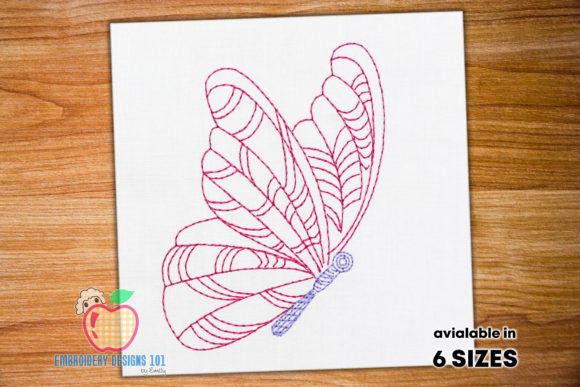
The name itself sets the expectation: cute and airborne. Opening the file, that’s exactly the vibe. This isn’t a scientific illustration; it’s a decorative, friendly butterfly. The shape feels balanced, with a natural flow that suggests movement. The intricate detailing promised in the description translates visually into separate elements—likely wings, body, and perhaps some antennae or delicate patterns—that give it personality. It creates a mood of lightness, charm, and natural beauty, without being overly sentimental or childish. It has a versatile charm that could appeal to a wide range of customers.
Where This Butterfly Naturally Belongs
My mind immediately goes to projects where a standalone, attractive accent is the goal. This machine embroidery design feels destined for items where the embroidery is the focal point. Think of a custom tote bag for a gardener, a lightweight sweater for a spring boutique collection, or a decorative pillow cover in a nursery. It’s a strong candidate for personalized gifts—a baby’s blanket with a name and this butterfly above it, or a set of kitchen towels for a wedding gift. For small business owners, especially Etsy sellers or craft fair vendors, this could become a staple for creating simple, appealing merchandise. It’s the kind of design that sells well because it’s universally likable and easily visualized on a finished product.
Performance on Real Products: A Practical Walkthrough
Let’s picture a specific scenario: I’m preparing a batch of embroidered canvas tote bags for a small shop. I choose the Flying Cute Butterfly as the central art. On a medium-weight fabric like canvas, the delicate details need careful setup. I’d use a sturdy stabilizer to prevent puckering, especially if the design has areas of satin stitch or dense fill stitch. The intricacy suggests it will look fantastic with good thread color contrast—perhaps bright colors on a natural canvas, or softer pastels on a white bag. The result would be a handmade product that feels professional and thoughtful, increasing its perceived value.
On apparel, like a sweatshirt or t-shirt, placement is key. The design’s likely size (based on its intricate nature) means it would work beautifully on a chest or sleeve without overwhelming the garment. For baby clothes, it’s perfect for a small accent on a bodysuit or the corner of a blanket, adding that personalized gift touch. As an embroidered patch, it would be charming, though I’d carefully inspect the small details and stitch density to ensure the edges are clean and it can be applied securely.
When to Approach with Caution
Not every project is an ideal home. The “delicate and beautifully intricate” description signals areas to watch. On very textured fabrics, like thick terry cloth or loose knits, fine details might get lost. On stretchy fabric, even with the right stabilizer, tiny elements could distort. Embroidering on a curved surface like a cap requires testing—the design’s layout needs to work within the cap’s panel shape.
Dark fabric is a classic consideration. If the design uses a lot of fine running stitches or small fill areas, you need to ensure your thread colors pop and the design remains clearly visible. Also, for items destined for frequent washing, like aprons or tea towels, a very dense stitch area in the butterfly’s wings could be less durable over time than a simpler design. It’s about matching the design’s character to the product’s purpose.
Impact on Your Business and Customer Appeal
Using a design like this effectively isn’ just about stitching; it’s about presentation and trust. A well-executed Flying Cute Butterfly on a tote bag or sweatshirt immediately boosts visual appeal. The clarity of the stitching speaks to craftsmanship, which builds customer trust in your handmade brand. For creative entrepreneurs, it can become a consistent element in your line—a recognizable, brand-consistent motif for spring or nature-themed collections.
Its giftability is high. It’s non-specific, pleasant, and feels special when embroidered. In your Etsy listings or printable mockups, it will look engaging and sell the idea of a finished product easily. For commercial embroidery projects, where you’re decorating items for another business, it offers a safe, attractive choice that clients will readily approve.
Essential Designer Notes Before You Hoop
Before committing this butterfly to a final project, here’s my practical checklist:
- Always test on scrap fabric first. Use a similar weight and texture to your final product. This reveals how the stitch density behaves and whether any tiny details become problematic.
- Check thread color contrast. Stitch out a section on both light and dark background scraps. Does it maintain its “cute” and intricate look?
- Review the design in your software. Look for any exceptionally small corners or potential satin stitch areas that might need tweaking for your specific machine.
- Confirm the hoop size required. The description mentions it comes with multiple embroideries—this often means sizes. Make sure you use the size file appropriate for your project’s available space and fabric stability.
- Use proper stabilizer. For delicate designs, this is non-negotiable. Match the stabilizer to your fabric.
- Consider licensing. Before selling finished items or using the digital embroidery file in commercial projects, verify the license terms. This is a crucial step for any craft business or digital product seller.
Finally, remember that a design’s true value is realized in the finished product. The Flying Cute Butterfly has the inherent charm to make that finished product—whether it’s a boutique pillow, a personalized baby gift, or your latest shop merchandise—feel special and well-made. It’s a design that rewards a thoughtful setup with a delightful result.