Hello Bear Embroidery Design Review
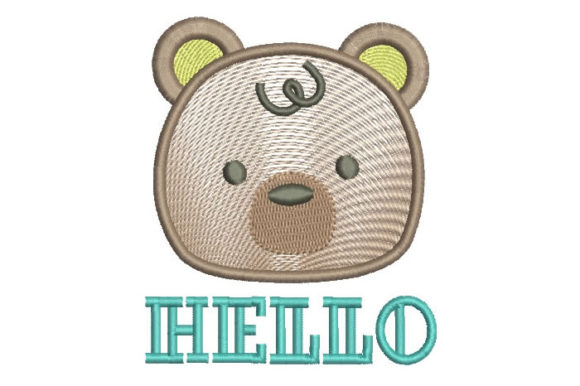
As an embroidery designer who has spent years translating digital concepts into tangible, stitched assets for small businesses, I approach every new design file with a mix of creative enthusiasm and commercial skepticism. When reviewing a machine embroidery design for potential use in small business merch, the goal is never just aesthetics; it is about viability, durability, and brand alignment. Today, we are putting the "Hello Bear" design under the microscope. Described as an adorable teddy bear accent suitable for children’s projects, baby bibs, and nursery decor, this design holds significant potential for specific market segments. However, its success depends entirely on how it is executed in a professional production environment.
First Impressions: Personality and Visual Impact
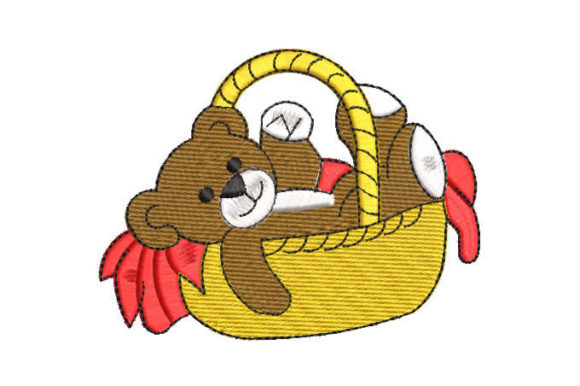
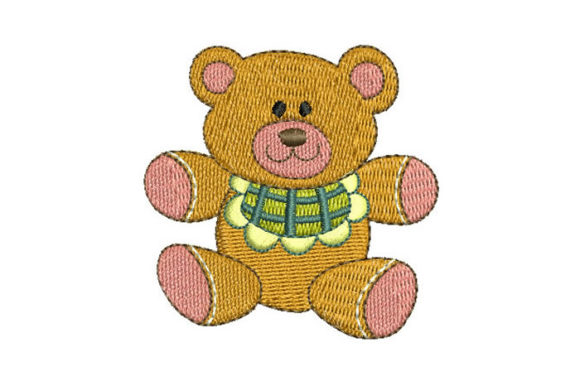
The "Hello Bear" design immediately communicates warmth and approachability. In the crowded landscape of handmade products and boutique branding, emotional resonance is a key driver of sales. This design feels playful yet classic, avoiding overly trendy elements that might date quickly. For a small café, a local bakery, or a handmade gift shop, this level of friendliness can soften a brand identity, making it feel more accessible to families and children.
Visually, the design likely relies on clean lines and recognizable shapes to ensure the teddy bear motif remains distinct even when reduced in size. The description suggests it serves as an "accent," which implies it may be part of a larger composition or designed to stand alone as a charming focal point. From a designer’s perspective, this versatility is valuable. It allows for multiple applications without overwhelming the garment or product surface. Whether used on a white cotton tote bag or a pastel-colored baby outfit, the design promises to deliver a premium, handmade product feel that customers appreciate.
Real-World Business Applications
While the description highlights nursery items, the true value of a digital embroidery file like Hello Bear lies in its adaptability across various merchandise categories. Here is how this design translates into real-world business scenarios:
- Embroidered Patches: One of the most profitable uses for this design is creating iron-on or sew-on patches. Small businesses often use patches as low-cost entry-level products or as rewards for loyalty programs. The teddy bear motif works exceptionally well here, offering a cute collectible item that reinforces brand recall.
- Staff Uniforms and Aprons: For bakeries, cafes, or craft studios, adding a subtle Hello Bear logo to staff aprons creates a cohesive team look. It signals to customers that the staff is friendly and attentive. On a dark uniform, however, careful thread color selection is required to maintain visibility.
- Caps and Hats: Cap embroidery is a staple for promotional items. A centered Hello Bear design on a baseball cap or a curved visor can serve as a memorable brand mark. The roundness of a bear face naturally fits the curvature of a cap front, providing a balanced visual weight.
- Tote Bags and Shopping Bags: Eco-friendly brands love embroidered accents. Placing a single Hello Bear on the corner of a canvas tote bag adds a touch of personality without cluttering the design. This is ideal for farmers' markets, bookstores, or florists looking to enhance their packaging.
- Baby Apparel and Accessories: As noted in the product description, this design is perfect for baby bibs, onesies, and burp cloths. Parents are willing to pay a premium for high-quality, soft-stitch embroidery on baby items. Ensuring the stitch density is appropriate for sensitive skin is crucial here.
Brand Identity and Customer Trust
Incorporating a design like Hello Bear into your brand identity does more than just decorate a product; it builds trust. Consistent use of a friendly, high-quality embroidered logo across custom apparel, tags, and marketing materials signals professionalism. Customers associate neat, precise stitching with attention to detail in the actual product being sold. If your embroidery looks sloppy, customers may assume your craftsmanship is poor elsewhere. Conversely, a crisp Hello Bear design elevates the perceived value of your goods, allowing you to command higher prices for your commercial embroidery services.
Strategic Considerations and Limitations
No design is universal, and Hello Bear has specific constraints that designers must manage. Understanding these limitations is what separates a hobbyist from a professional.
- Small Patch Sizes: If you plan to scale this design down to 2 inches or less for tiny labels or sleeve details, you must inspect the digitizing closely. Fine details may disappear, resulting in a muddy blob. Always test at the final production size.
- Curved Surfaces: Embroidering on caps or sleeves presents challenges due to curvature. The design must be adjusted for distortion. A flat hoop test will not accurately predict how the bear will look on a curved hat brim.
- Thread Color Contrast: The effectiveness of the design hinges on contrast. On dark uniforms or dark fabric textures, light thread colors may get lost. You may need to add a backing stabilizer or use a contrasting outline to ensure the bear pops.
- Fabric Texture: Textured fabrics like heavy denim or boucle wool can hide fine stitches. Smooth fabrics like poplin, jersey, or canvas provide the best canvas for this type of detailed work.
- Wash Durability: For items that require frequent washing, such as baby clothes or work aprons, the stability of the embroidery is paramount. Poorly anchored designs will fray or pull. Using the correct stabilizer is non-negotiable for long-term durability.
Practical Designer Notes for Production
Before committing to a full production run, follow these essential steps to ensure quality control:
- Test in Black and White: Convert the design to monochrome to check if the shape holds up without the aid of color gradients. This reveals structural weaknesses in the digitizing.
- Check Hoop Size: Ensure the design fits within your machine’s standard hoops. If the design is large, verify that you have the equipment to handle it without re-hooping, which can misalign the pattern.
- Review Stitch Density: High stitch density can make fabric stiff and uncomfortable, especially on baby items. Low density may result in visible background fabric. Aim for a balance that ensures coverage without bulk.
- Create a Printable Mockup: Before spending hours embroidering, create a printable mockup to visualize the design on different products. This helps clients approve the placement and scale before any physical production begins.
- Confirm Commercial Licensing: This is critical. Ensure you have the legal right to sell products featuring the Hello Bear design. Many digital files are licensed for personal use only. Selling unauthorized merchandise can lead to serious legal issues.
- Inspect Spacing and Outlines: Look for overlapping stitches or insufficient spacing between elements. These errors cause thread breaks and needle damage during high-speed production.
Conclusion
The "Hello Bear" embroidery design offers a versatile and charming option for small business owners looking to enhance their product line. Its friendly aesthetic makes it particularly suited for brands targeting families, children, or those seeking a warm, inviting customer experience. However, success depends on proper execution. By carefully considering fabric choices, thread contrasts, and production techniques, you can transform this simple design into a powerful tool for brand recognition and customer engagement.
Whether you are adding it to a line of tote bag designs, creating unique apron embroidery for a bakery, or producing custom hats for a trade show, Hello Bear provides a solid foundation for quality design assets. Just remember to test thoroughly, respect the technical limitations of embroidery, and always prioritize commercial licensing. With these precautions in mind, this adorable teddy bear can become a beloved staple of your finished product offerings.