Teddy Bear for Babies Embroidery Review
As an embroidery designer who spends more time staring at digitized stitches than sleeping, I am always on the hunt for designs that bridge the gap between "cute" and "commercially viable." For my recent limited drop for a small boutique brand, I needed something that screamed comfort but held its own on premium apparel. Enter Teddy Bear for Babies. This isn't just another clip-art bear; it is a machine embroidery design that demands to be seen on fabric. After testing this embroidery file against various sweatshirt fabrics and placements, here is my honest review of how this design performs in the wild.
First Impressions: Mood and Design Personality
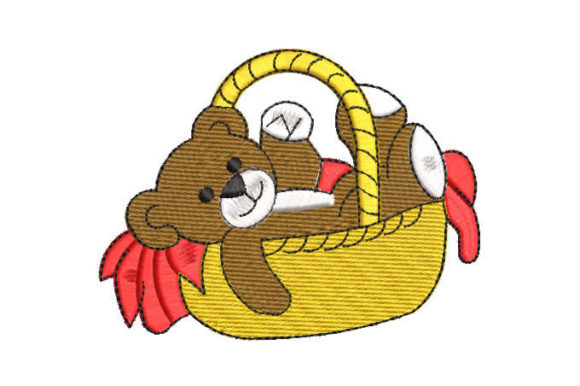
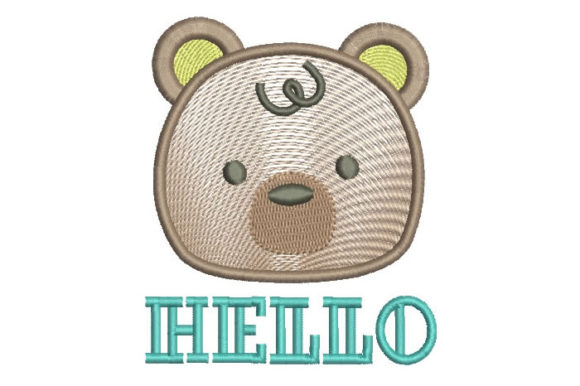
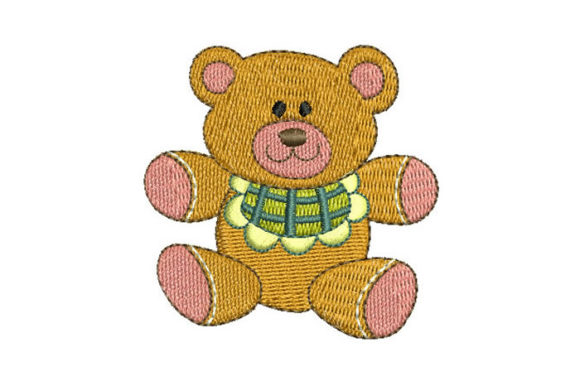
When you first load the Teddy Bear for Babies design into your hoop, the immediate takeaway is its playful yet polished aesthetic. The description promises a happy, adorable look, and it delivers. The layout feels balanced, avoiding the cluttered look that often plagues children’s apparel. It strikes a perfect chord between rustic charm and modern minimalism. For a boutique brand looking to stand out on Etsy or Instagram, this level of detail is crucial. It doesn’t scream "mass-produced"; it whispers "handcrafted with care."
The stitching personality of this design is soft but defined. It avoids being overly delicate, which is a common pitfall when designing for babies and toddlers. Instead, it has a boldness that works well for sweatshirt embroidery, where the fabric texture can sometimes swallow up finer details. The mood is undeniably cozy, making it an ideal candidate for seasonal drops, particularly around autumn and winter holidays when consumers are buying gifts for little ones.
Fabric and Color Contrast Testing
The true test of any digital embroidery file is how it interacts with different materials. For this project, I tested Teddy Bear for Babies on several types of neutral sweatshirts to see how the thread colors would pop.
- Heather Grey and Oatmeal: On these light, textured fabrics, the design looked incredibly fresh. The contrast was subtle but clear, giving it a high-end, lifestyle brand feel. It worked beautifully for custom apparel aimed at older siblings or parents who want matching sets.
- Navy and Charcoal: Here, the design took on a more dramatic presence. The darker backgrounds made the lighter thread tones in the bear’s face stand out sharply. This is a great option for unisex collections where you want the graphic to read as strong rather than purely sweet.
- Pastel Pink and Mint: On these softer hues, the design felt feminine and gentle. However, I had to adjust the tension slightly to ensure the threads didn’t pucker the thin cotton-poly blend. If you are using this on pastel fabrics, pay close attention to your stabilizer choice.
One critical note for Etsy sellers and small shop owners: Always check the specific hoop size requirements before production. While this design is versatile, ensuring it fits your standard 4x4 or 5x7 hoops will save you hours of re-digitizing or trimming.
Placement Strategies for Boutique Apparel
A machine embroidery design is only as good as its placement. With Teddy Bear for Babies, I found three distinct ways to use this asset to maximize product value.
Chest Placement Standard
The most traditional approach is center chest placement on crewneck sweatshirts. This works best if the design is scaled appropriately. It creates a focal point that draws the eye immediately. For a small shop product, this is the safest bet for conversion rates because customers know exactly what they are getting. It reads as a classic graphic tee alternative.
Sleeve Accents and Cuff Details
For a more unique touch, consider scaling down the design for sleeve accents. Placing a smaller version of the teddy bear near the cuff adds a surprise element. This is excellent for hoodie design variations where you want to differentiate your inventory from competitors. It suggests a higher level of craftsmanship, which can justify a higher price point.
Back Designs for Statement Pieces
If the design allows for larger scaling, placing it on the back of an oversized hoodie creates a statement piece. This works well for lifestyle product photography, as the back print becomes visible when the wearer turns away, adding depth to your visual marketing.
Practical Designer Concerns
Before committing to a full run, every designer needs to address the technical realities of production. Here is what I noticed while working with Teddy Bear for Babies.
Thread Color Contrast: The design relies heavily on color blocking to define the bear’s features. Ensure your thread selection matches the intended vibe. Using metallic threads for accents could elevate it to a luxury item, while matte cotton threads keep it grounded in the handmade aesthetic.
Stitch Density and Fabric Texture: Sweatshirts are thick fabrics. If the stitch density in the original digitization is too high, you risk needle breakage or excessive bulk. In my tests, the density felt appropriate for mid-weight fleece. However, if you are embroidering on thinner jersey blends, you may need to add extra tear-away stabilizer to prevent distortion.
Washing Durability: One of the biggest concerns for buyers of baby items is durability. A well-executed finished product should withstand multiple wash cycles without losing shape. The dense fill stitches in this design seem robust, but always recommend cold water washing and line drying to preserve the integrity of the embroidery for your customers.
Impact on Brand Identity and Sales
In the world of commercial embroidery, visual recognition is key. Teddy Bear for Babies offers a distinct character that can become part of your brand’s visual language. When used consistently across a collection—perhaps paired with complementary nature-themed designs—it builds a cohesive narrative.
For crafters and creative entrepreneurs, having high-quality design assets means less time spent troubleshooting and more time creating content. This design is ready for printable mockup integration. You can easily overlay the stitched effect onto your photos to give potential buyers a realistic preview of the handmade product.
Furthermore, using a design that feels "premium" directly affects buyer trust. Customers are willing to pay more for items that look professionally finished. The clean lines and thoughtful composition of this teddy bear signal quality, reducing returns and increasing positive reviews.
Final Verdict
Overall, Teddy Bear for Babies is a strong addition to any embroidery shop’s library. It balances cuteness with commercial strength, making it suitable for everything from pajamas to room decor. Whether you are a seasoned pro or a new Etsy seller, this design offers versatility and charm.
However, remember that success lies in the execution. Always verify the file format compatibility with your machine and double-check the recommended hoop size for your specific garment. Test on scrap fabric first to dial in your tension and stabilizer setup. By doing so, you will transform a simple digital file into a treasured keepsake that your customers will love.
If you are looking to add a touch of warmth and whimsy to your next collection, this design is a worthy investment. It captures the essence of childhood nostalgia while maintaining the crispness required for modern fashion. Happy stitching!