Snowboarding Gnome: An Embroidery Designer's Product Review
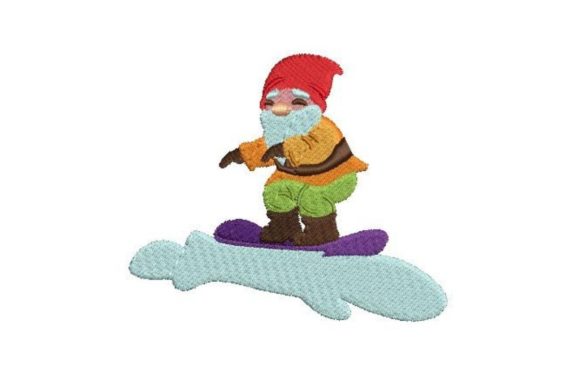
Before I even stitch out a new design, I picture it on a table at my next craft fair booth. How will it catch a customer’s eye? Does it tell a story instantly? The Snowboarding Gnome does exactly that. The first impression is pure, playful charm. It leans firmly into cute and festive, with a touch of modern whimsy that feels right for a winter market. This isn’t a rustic farmhouse gnome; it’s a gnome with personality, ready for adventure, which gives it a broad, engaging appeal.
Where This Gnome Shines on Craft Fair Products
For a handmade market booth, placement is everything. You need products that turn glances into stops. The Snowboarding Gnome is a strong candidate for several key items.
On a tote bag or a market bag, this design becomes a focal point. It’s lively and decorative, suggesting the bag isn’t just utilitarian—it’s a fun, winter accessory. On aprons or kitchen towels, it shifts the mood from purely functional to giftable. A tea towel with this gnome feels like a cheerful winter hostess gift, not just a kitchen linen.
As an embroidered patch, its potential is huge. Patches are versatile, low-cost to produce, and easy for customers to envision on their own jackets, gloves, or ski gear. This directly connects to the product description’s suggestion for winter clothes decoration. A small, neat fabric pouch with the gnome makes a perfect holiday gift for small items. On pillow covers, it creates a seasonal accent pillow that’s more whimsical than traditional holiday decor.
Perhaps one of its best applications is on caps. While embroidery on curved surfaces requires careful setup, a playful design like this on a winter beanie or baseball cap has immediate appeal for a younger, active demographic. It’s the kind of item someone might buy as a gift for a snowboarding enthusiast.
Practical Production Points for Your Small Shop
When I evaluate a machine embroidery design for batch production, I look at clarity, stitch density, and scalability.
The Snowboarding Gnome likely has areas of dense stitching—the gnome’s body, hat, and the snowboard itself. This means you must use the correct stabilizer and consider fabric texture. On a thick towel or a tote bag canvas, you’ll need robust stabilization to prevent puckering. On a smooth cotton for a pillow, a lighter stabilizer may suffice.
Always test the design on scrap fabric first, ideally the exact fabric you plan to use for your main product. This reveals how tiny details, like facial features or the snowboard bindings, translate. Check thread contrast carefully. This design will pop on lighter fabrics, but on dark fabric, you need to ensure your thread colors are bright enough to maintain clarity.
Review the design at different sizes if your embroidery file allows scaling. A small accent version for a glove or pouch might lose detail if elements are too fine. Confirm the recommended hoop size from the design provider—a design meant for a 4x4 hoop may not scale elegantly to a 6x10 for a large tote without adjustments.
For a craft fair product, I always create at least one real, finished mockup. A physical finished product tells you more than a printable mockup ever can. How does it feel? How does the light hit the stitches? This hands-on check is crucial for selling in person.
Visual Appeal and Immediate Understanding
A customer walking past your booth should grasp the theme of a product within seconds. The Snowboarding Gnome excels here. “Cute gnome” + “snowboard” = winter fun. It’s easy to understand at a glance, which is vital for fast-paced fair environments. This instant recognition boosts buyer engagement.
Photographing for Online Sales
For your Etsy seller listings or other online shops, this design photographs well because it has clear shapes and likely bold colors. Ensure you shoot your handmade product in good light to show the texture of the embroidery. The three-dimensional quality of stitches adds handmade quality and perceived value.
Batch Production and Brand Consistency
Is the design repeatable? Given its straightforward, charming theme, producing a batch of tote bags or patches with the Snowboarding Gnome is feasible. It can become a signature winter item for your brand. Consistency in your booth display—having a cohesive winter line featuring this gnome—strengthens your booth display strength.
Essential Embroidery Designer Notes Before You Sell
My final checklist before committing a design to my product line always includes these points.
- Stitch Density: High-density areas can cause thread breaks or fabric distortion on lighter materials. Adjust machine speed and use appropriate stabilizers.
- Small Lettering: If the design includes any text, like “Winter” or a slogan, test it at your production size. Small, intricate stitches can fill in on textured fabrics like towels.
- Fabric Colors: Compare how the design looks on a range of colors. A winter design often looks best on cream, white, navy, or evergreen, but test on unconventional colors too.
- Commercial Licensing: This is paramount. Before selling any finished product, confirm that your digital embroidery file includes a license for commercial embroidery. Do not assume; check with the designer or distributor.
- Hoop Size and Placement: On curved surfaces like caps, precise placement is key. On flat items like pillow covers, centering the design often looks most professional.
The Snowboarding Gnome is more than just a cute machine embroidery design. It’s a versatile, character-driven asset for your small shop product lineup. It invites storytelling, which you can use in your booth interactions—mentioning the gnome’s winter adventure can make a sale more personal. By applying it to the right products—where its playful detail can be appreciated—and by producing it with care, this gnome can become a standout, profitable part of your winter craft fair offerings and your online handmade product catalog.